
The Complete Ecuador Travel Guide
Ecuador packs an unusual amount of variety into a country roughly the size of Nevada. Within a single trip, you can stand on a volcanic peak, walk through Amazon rainforest, relax on a Pacific beach, and snorkel alongside sea lions in the Galápagos. This guide covers everything worth knowing before you go, including the regions, the best time to visit, entry requirements, money matters, and how to structure an itinerary that actually works.
Ecuador’s Four Main Regions
Ecuador divides neatly into four distinct regions, and understanding them is the foundation of any good trip plan.
The Andes (Sierra)
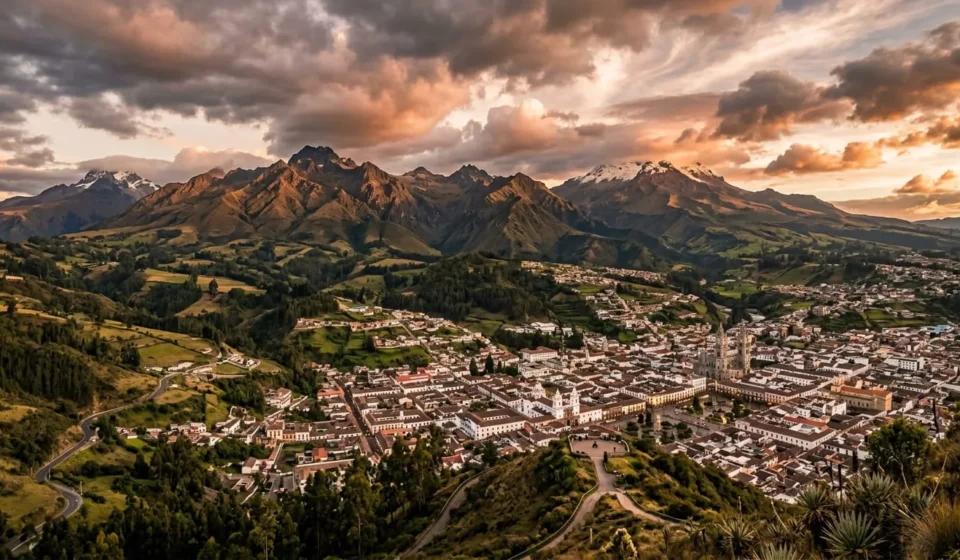
The Sierra runs down the spine of the country and includes Quito, the capital, along with the colonial city of Cuenca and the market town of Otavalo. Expect cool mountain air, colonial architecture, and volcanoes like Cotopaxi rising above the valleys. This region rewards travelers who enjoy hiking, markets, and history.
The Amazon (Oriente)
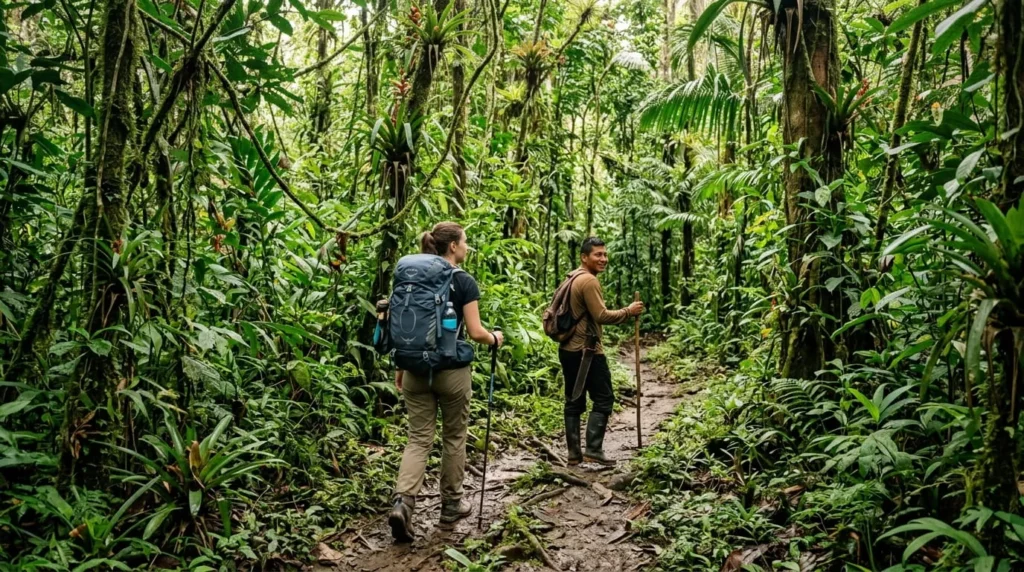
East of the Andes, the land drops into dense rainforest that forms part of the Amazon basin. Lodges here range from rustic to comfortable, and most trips include guided walks, canoe rides, and wildlife spotting for birds, monkeys, and river dolphins.
The Pacific Coast
Ecuador’s coastline stretches from surf towns in the south to laid-back fishing villages in the north. Montañita draws a younger crowd for surfing and nightlife, while towns like Puerto López offer calmer beaches and access to whale watching in season.
The Galápagos Islands
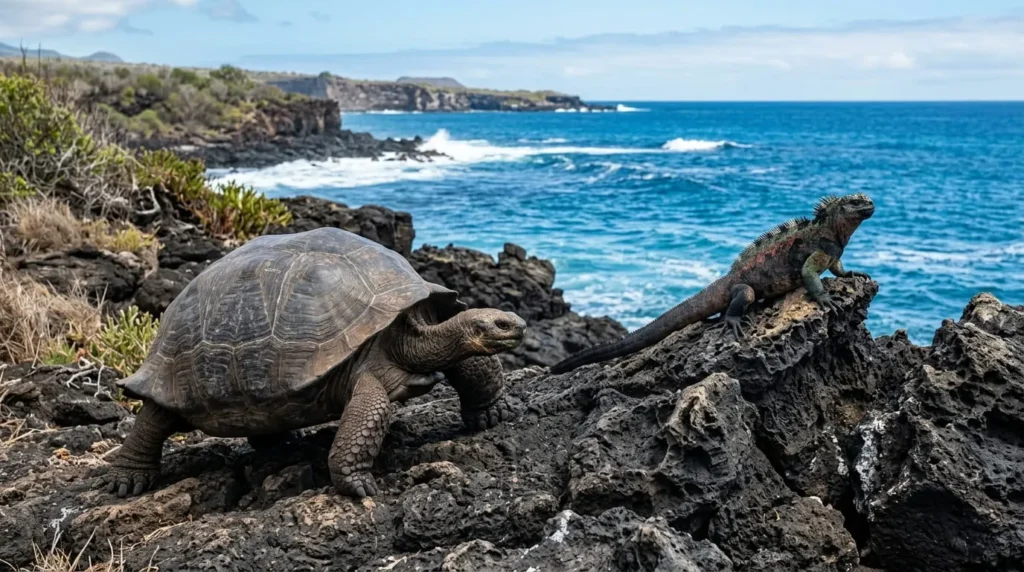
Roughly 600 miles offshore, the Galápagos remain one of the most unique wildlife destinations anywhere. Giant tortoises, marine iguanas, and blue-footed boobies show little fear of visitors, since many species evolved without natural predators.
Best Time to Visit Ecuador
Ecuador sits on the equator, so temperatures stay fairly steady year round. The bigger factor is rainfall, and it varies by region rather than by a single national season.
The Andes are driest and clearest from June through September, making this the best window for hiking and volcano views. The coast is warmest and sunniest from December through May, which is also peak season for beach travel. The Amazon receives rain throughout the year, though slightly drier stretches often fall between August and November. The Galápagos have two loose patterns: warmer water and better snorkeling visibility from December to May, and cooler water with more nutrient-rich currents that draw larger marine life from June to November.
Because the regions run on different calendars, there is no single bad time to visit the country. Planning around the specific region you care about most will matter more than picking a generic travel month.
Entry Requirements and Documents
Entering Ecuador for tourism is straightforward for most nationalities. A tourist stamp is issued on arrival, valid for up to 90 days within a rolling 12 month period, with no advance application or fee required.
Your passport needs at least six months of remaining validity from your arrival date. Immigration officers may ask for proof of onward or return travel, so keep a copy of your flight itinerary accessible. It is worth photographing your entry stamp on arrival, since a faded or unclear stamp can cause confusion if you need to prove your entry date later.
If you plan to stay longer than 90 days, a one time extension is available that brings the total to 180 days within the same 12 month period. Beyond that, you would need a different visa category, since tourist status cannot be renewed indefinitely.
Money and Costs
Ecuador uses the US dollar as its official currency, which removes the need for currency exchange and makes budgeting simple for travelers used to dollar pricing. Bring a mix of smaller bills, since some rural vendors and taxis struggle to break large denominations.
Costs vary widely by region. Quito and Cuenca are affordable by international standards, with a solid meal often costing a few dollars at a local spot. The Galápagos is the clear exception, since park fees, boat transport, and lodging all run considerably higher than the mainland. Budgeting an extra allowance specifically for the islands will keep the rest of your trip from feeling squeezed.
Credit cards are widely accepted in cities but less reliable in small towns and rural lodges, so carrying cash as a backup is a good habit throughout the country.
Altitude and Health Considerations
Quito sits at roughly 9,300 feet above sea level, and many highland towns sit even higher. Altitude sickness is a genuine concern, especially in your first 24 to 48 hours after arrival.
Symptoms typically include headache, fatigue, and shortness of breath during light activity. Staying hydrated, avoiding alcohol on your first night, and easing into physical activity rather than hiking immediately can reduce the risk significantly. If you plan to hike near Cotopaxi or other high peaks, spending a few days acclimating in Quito first is a smart approach.
Travel insurance that covers medical evacuation is worth considering for anyone heading into the Amazon or attempting high altitude hikes, since remote medical access can be limited in both regions.
Getting Around Ecuador
Domestic flights connect Quito and Guayaquil quickly to the Galápagos and are the practical way to reach the islands. Within the mainland, long distance buses are frequent, inexpensive, and connect nearly every town, though travel times can run long given the mountainous terrain.
For shorter regional trips, private transfers or shared shuttles are common between popular towns like Baños, Otavalo, and Quito. Renting a car is possible but not always necessary, since public transport covers most tourist routes reliably.
Sample Ecuador Itinerary Ideas
For a first trip of 10 to 14 days, a common structure combines the Andes with either the coast or the Galápagos, since fitting all four regions comfortably usually requires closer to three weeks.
A highlands and Galápagos combination might spend three to four days in and around Quito, including a day trip to Cotopaxi or the Quilotoa crater lake, followed by five to seven days in the Galápagos. A highlands and coast combination swaps the islands for beach time in Montañita or Puerto López, which is considerably more budget friendly.
Safety Tips for Ecuador
Most tourist areas in Ecuador are visited without incident, though petty theft is the most common issue in cities like Quito and Guayaquil, particularly in crowded markets and bus terminals. Keeping valuables out of sight and using registered taxis or ride apps at night reduces most risk.
Certain border areas and specific neighborhoods in larger cities carry higher advisories, so checking current guidance before finalizing a route through those zones is worthwhile. In general, the regions most popular with tourists, including Quito’s historic center, Cuenca, and the Galápagos, see a steady flow of visitors without major issues.
Final Planning Tips
Book Galápagos accommodations, cruises, or park permits well in advance, since availability during high season fills up months ahead. Pack layered clothing regardless of season, since temperatures can shift dramatically between a warm coastal afternoon and a cold Andean evening on the same trip.
Spanish is the primary language outside major tourist hubs, so learning a handful of basic phrases goes a long way in smaller towns. With its combination of mountains, rainforest, coastline, and islands, Ecuador rewards travelers willing to plan around its regions rather than treating it as a single, uniform destination.