

Is Bermuda Expensive? What a Trip Really Costs
Is Bermuda expensive? Yes, and it sits near the top of the list of the priciest places in the world. Numbeo’s 2026 cost of living index scores the island at 123.5, which puts everyday prices about 23.5% above New York City.
That number is built around residents, so a visitor’s bill looks a little different. Hotel rooms, restaurant checks, and transport carry most of the sting, and there is no regular rental car to fall back on. The upside is that the Bermuda dollar trades at par with the U.S. dollar, so Americans never convert prices in their heads, and a few planning choices can trim the total noticeably.
This guide covers what each part of a trip costs, which add-ons catch people off guard, and where the real savings are.
How Bermuda Compares With Other Costly Destinations
A local news report on the 2026 ranking, which used data published by Visual Capitalist, says Bermuda finished ahead of the Cayman Islands, Switzerland, and Iceland. New York City is the baseline at 100, so a score of 123.5 means the island costs roughly a quarter more across the board.
The U.S. Virgin Islands score 82.5 and the United States as a whole scores 56.3. That makes Bermuda about 1.5 times as costly as the Virgin Islands and more than double the U.S. figure. If you are comparing it with a Caribbean beach week, expect a noticeably bigger bill.
Two things drive the result. Almost everything on the island is imported, with seafood and a little local produce as the main exceptions. The island also has very little land to build on, so housing and hotel space stay tight.
A cost of living index counts rent, which a vacationer never pays. A visitor’s real spending lands in three places: the hotel rate plus taxes, restaurant prices, and local transport. Those three are worth studying before you book anything.
Hotel Prices in Bermuda
Frommer’s sorts Bermuda hotels using thresholds that would look steep almost anywhere else: a room above $400 a night in high season counts as expensive, $250 to $400 is moderate, and anything under $250 is labeled inexpensive.
Jetsetter Alerts’ 2026 budget guide puts peak-season lodging at roughly $220 to $340 a night for budget travelers, $340 to $620 for mid-range travelers, and $700 to more than $1,700 for luxury stays.
Guesthouses and housekeeping apartments usually sit at the low end of those ranges. The large resorts, including the ones along the south shore, sit at the top.
Some resorts push meal plans. Frommer’s warns that a modified American plan keeps you eating in the same dining room every night and costs you the chance to try other restaurants. Unless the package price clearly beats what you would spend eating around, a room-only rate usually gives you more control.
The Real Price of a Room After Taxes and Service Charges
The nightly rate you see online is rarely the final number. Frommer’s notes that room rates carry an 11.75% government occupancy tax, plus a tourism fee and a service charge that some hotels set at 10% of the bill.

Here is a simple illustration. A $300 room with 11.75% tax and a 10% service charge comes to about $365 a night before resort extras, which adds roughly $325 over a five-night stay. Taxes and fees change, so check the full total before you pay a deposit.
Restaurant and Grocery Costs
Dining is the second-largest line in most budgets. Because the island imports most of its ingredients, even a plain dinner costs more than it would in a typical U.S. city.
Restaurants add a 17% gratuity to food and beverage bills, and the hotel service charge does not cover it. A $100 dinner check becomes $117 before you add anything else, so read the bill before you tip on top.
Casual places change the math. A fish sandwich at a beach shack, a pub lunch, or takeaway in Hamilton costs far less than a hotel dining room, and plenty of locals eat that way.
If your room has a kitchen, buy breakfast items and snacks and eat out for dinner. Grocery prices run well above the U.S. mainland, so a full week of self-catered meals saves less than people expect.
Getting Around Without a Rental Car
There are no conventional car rentals in Bermuda. The official tourism site lists electric vehicles, taxis, private drivers, buses, ferries, bicycles, e-bikes, and scooters as the choices.
Taxis run on meters at government-set rates, and surcharges stack up. Fares are 25% higher for one- to four-passenger taxis between 10 pm and 6 am, 25% higher for five- to seven-passenger taxis between 6 am and 10 pm, and 50% higher on Sundays and public holidays.
Bicycles, e-bikes, and scooters typically rent for $30 to $35 a day; helmets are mandatory, and scooters are limited to visitors 18 and older.
Two-seat electric cars are the closest thing to a rental car. The Tazzari, a two-passenger electric vehicle, is rented through Bermuda Rental Car. They cost more per day than a scooter but keep you dry and protect you from the riding risks below.
If you would rather not hail a cab, the tourism board points visitors to ride apps such as Hitch, Ride Bermuda, and Island Go. Compare the app quote with the metered rate before you commit.
Scooters are cheap, but unfamiliar roads and driving on the left lead to a lot of visitor injuries, so weigh the savings honestly. Bermuda-online describes riders who are new to mopeds and scooters as the visitors most often hurt.
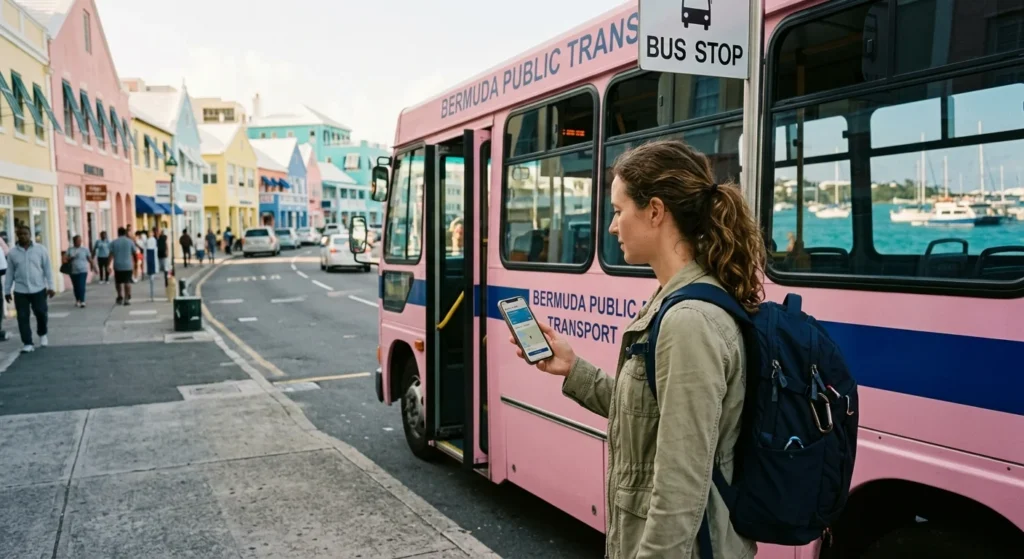
The public bus and ferry network is the cheapest way to cover distance. The Government of Bermuda’s Shorelink app sells bus and ferry tokens, tickets, and passes online. Multi-day passes tend to beat single rides if you plan to move around daily.
What a Five-Night Stay Can Add Up To
Here is a worked example for two adults on a mid-range trip. The figures are assumptions built from the percentages above, not quotes, so swap in your own numbers.
Take a $300 base rate, which becomes about $365 with tax and service charge, for $1,825 over five nights. Add one restaurant dinner a night at a $100 base check, which becomes $117 and totals $585.
Bike rentals for two at $30 each for three days come to $180. Before flights, lunches, taxis, and activities, the total sits near $2,600.
Flights are the other big unknown. Fares vary by departure city and season, so compare nonstops from your nearest East Coast hub and check midweek dates before you lock in the room.
That total shows why the shape of a Bermuda trip matters more than the island’s reputation. Lodging is the biggest lever, and the 17% gratuity and the service charge are the quiet ones.
When Bermuda Costs Less
Season moves the hotel line more than anything else. Frommer’s treats June through August as peak and says shoulder-season rates in April, May, September, and October can drop about 40%, with temperatures in the 60s and 70s Fahrenheit.
Jetsetter Alerts names January as often one of the cheapest months for on-the-ground costs. It is not beach weather, though, so it suits travelers who care more about the price than the swim.
Hurricane season runs from June 1 to November 30. A September trip trades a real discount for a small storm risk, so price in travel insurance that covers weather disruptions. Booking early still matters in peak months, because the few moderate rooms go first and what remains costs more.
Free and Cheap Things That Make the Trip Worth It
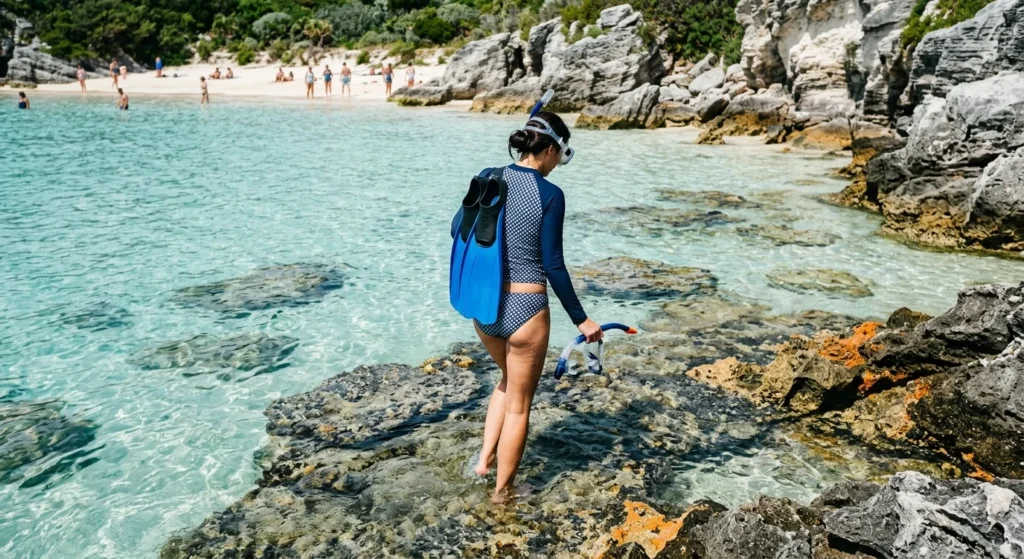
The best parts of Bermuda cost little. The pink-sand beaches are free, including Horseshoe Bay, and snorkeling spots such as Church Bay need only a mask and fins. Walking Hamilton, St. George’s, and the Royal Naval Dockyard costs nothing.
The Railway Trail, a walking and cycling path that follows the old rail line across several parishes, is also free, and it pairs well with a bus ride back. Fort ruins and public beaches fill a full day without a ticket.
Paid extras add up faster. Boat charters, dive trips, spa treatments, and resort golf are all priced at resort levels. Choose one or two paid experiences and let the beaches fill the other days.
Smart Ways to Spend Less in Bermuda
1. Choose a Place With a Kitchen
A guesthouse or apartment with a kitchen cuts breakfast and snack costs and lets you skip a restaurant check on slow evenings. Even a fridge and a coffee maker help.
2. Spend the Big Money in Shoulder Season
If you want a stretch splurge, such as a beachfront resort, book April, May, September, or October. The same room can cost up to about 40% less than it does in July.
3. Mix Passes With Occasional Taxis
Use a bus and ferry pass for daytime moves and save taxis for the trips that need them. Splitting a fare among three or four people cuts the per-person cost, and late-night and Sunday surcharges are worth planning around.
4. Make Lunch Your Main Meal Out
Many restaurants price lunch below dinner for similar dishes, and the 17% gratuity applies either way. Order the larger meal at midday and keep the evening light.
5. Think About a Cruise Stop
Cruise ships dock at the Royal Naval Dockyard, and passengers sleep and eat aboard. That makes a cruise stop one way to see the island with almost no lodging cost, though meals and excursions ashore still follow Bermuda prices.
Budget Mistakes That Inflate the Bill
The first mistake is budgeting from the advertised room rate. Taxes, the tourism fee, and the service charge can add well over 20% before you eat anything.
The second is treating taxis like rideshares. Surcharges at night and on Sundays, plus the cost of a metered ride across the island, make a few trips a day add up quickly.
The third is booking the cheapest scooter without thinking about the roads. A medical bill or a damaged rental costs far more than a few taxi rides would have.
The fourth is arriving in July with no flexibility. Peak-season rooms are at their priciest, and the weather in May or October is still pleasant.
The fifth is paying for single bus or ferry rides all week. A pass bought on day one is cheaper once you ride daily, and the Shorelink app makes it easy to load.
Who Will Find Bermuda Affordable
Couples and solo travelers with flexible dates tend to do best, since they can aim for shoulder season and choose small guesthouses. Cruise passengers and short-stay visitors also avoid most of the lodging cost.
Families and groups wanting resort rooms, nightly restaurant dinners, and daily taxis will feel it most. For them, Bermuda is a splurge, and it helps to plan it as one.
Travelers who rent a bike, ride the bus, and eat one proper meal a day can keep daily spending far below what resort guests pay, even when the room rate stays high.
Americans do get some relief. The flight from the East Coast is short, and the currency matches the dollar, so there are no exchange fees to plan around.
Is Bermuda Worth the Price?
For travelers who want pink sand, quiet coastal roads, and clear water, it is. Go in shoulder season, book a place with a kitchen, and budget for the 17% gratuity, and the trip looks far more manageable than the index suggests. Check current hotel rates, taxes, and ferry and bus fares before you book, since each one changes from year to year.