Things to Do in Medellin: A Complete City Guide
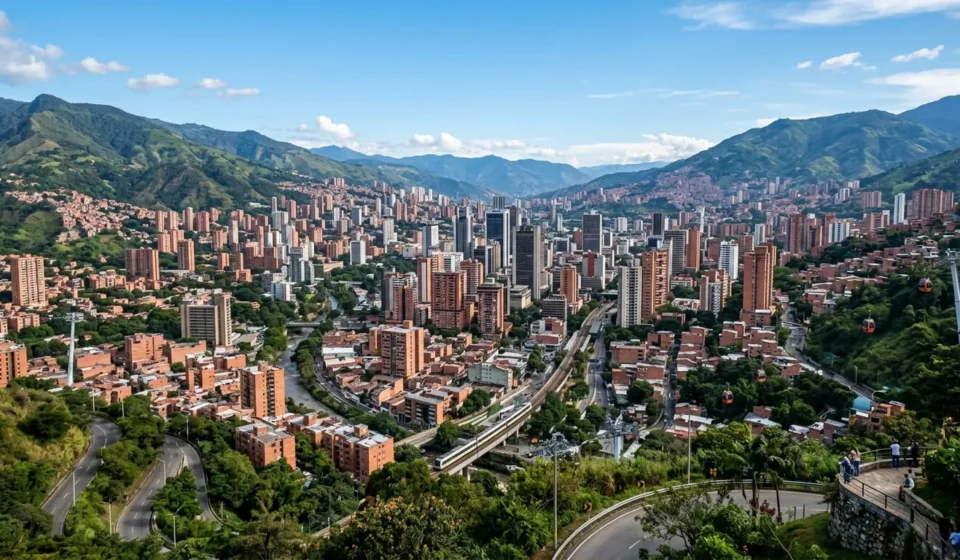
Medellín sits in the Aburrá Valley, surrounded by green mountains and mild weather all year round. Known as the City of Eternal Spring, this destination attracts travelers with efficient transit, rich culture, and mountain views. Knowing the best things to do in Medellin helps you plan a balanced itinerary of history, culture, and outdoor adventure. Whether you have three days or two weeks, the city offers distinct experiences across its diverse valleys and hilltops. This guide breaks down essential sights, local neighborhoods, scenic day trips, and practical safety advice for your trip.
Cultural Sights and Historical Landmarks in Medellín
Understanding the history of Medellín gives necessary context to its present success. Local communities have transformed former conflict zones into spaces of art, movement, and education.
Comuna 13: Street Art and Community History
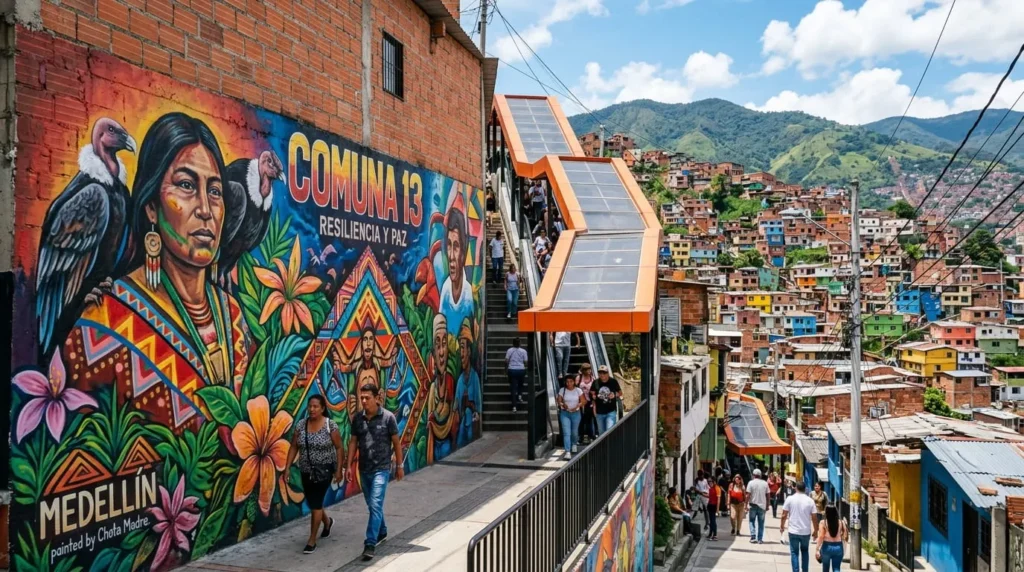
Comuna 13 was once one of the most violent areas in South America. Today, it stands as an inspiring example of urban renewal. Outdoor electric escalators climb steep hillsides, connecting high neighborhoods to the valley below. Colorful murals cover concrete walls, depicting the neighborhood’s history, local resilience, and hope.
Taking a guided tour led by a local resident is the best way to visit. Local guides explain the political history behind key murals and support community projects. While walking through narrow alleys, you will hear hip-hop music and watch breakdancers. Be sure to sample local snacks like green mango ice pops with lime and salt. Visit on a weekday morning to avoid the largest crowds.
Plaza Botero and Museo de Antioquia
Located in the city center, Plaza Botero features 23 large bronze sculptures created by artist Fernando Botero. Born in Medellín, Botero donated these pieces to his hometown. The sculptures feature exaggerated proportions, creating a distinct visual style visible throughout the open public square.
Directly behind the square sits the Museo de Antioquia. Admission costs around 46,000 Colombian pesos for foreign visitors. Inside, multiple floors house an extensive collection of Botero paintings alongside pre-Columbian artifacts and contemporary Colombian art. Plan for about two hours inside the museum. Keep your valuables secure while exploring the busy surrounding streets of El Centro.
Museo Casa de la Memoria
For a deeper understanding of Colombia’s recent conflict, visit the Museo Casa de la Memoria. Located east of the city center, this modern museum centers on the voices of victims, urban violence, and peace building.
Interactive displays, video testimonies, and photo exhibits archive decades of history with honesty and respect. Admission is free. The exhibits provide essential historical context that makes the rest of your stay in Colombia more meaningful.
Outdoor Adventures and Mountain Views
Medellín’s valley geography provides constant views of surrounding peaks, creating great opportunities for outdoor activities.
Parque Arví and the Metrocable Network
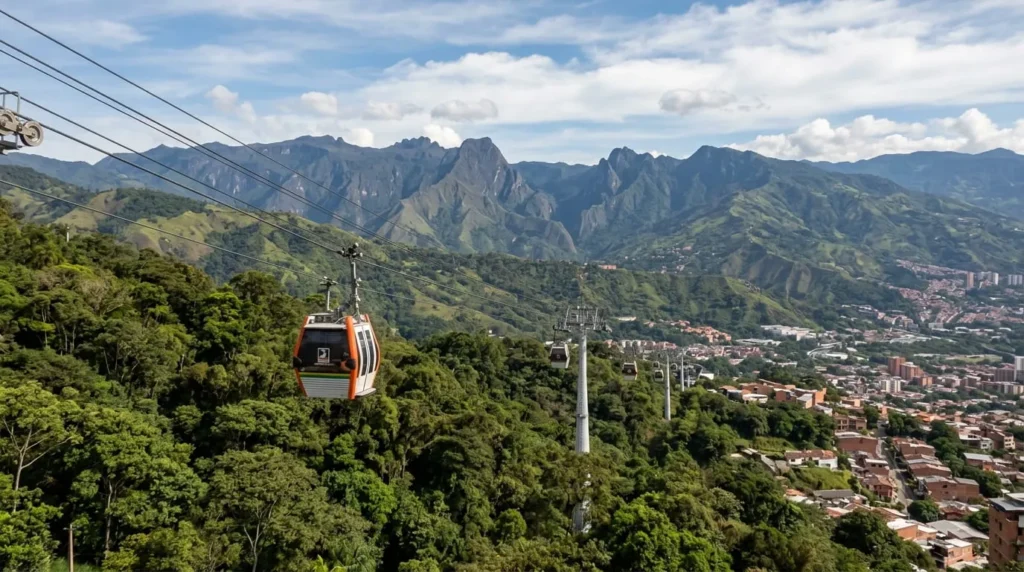
Reaching Parque Arví is an adventure in itself. Take Metro Line A to Acevedo station. Transfer to Metrocable Line K at Santo Domingo, then board Cable Line L. This final cable car glides high over pine forests and mountain streams before landing at the park entrance.
Parque Arví covers thousands of hectares of protected cloud forest. You can hike along marked trails or rent bicycles. A local farmers market near the station sells fresh produce and native honey. Temperatures in the park are cooler than in the city below, so pack a light jacket. Note that cable line L requires a small additional fare and does not operate on Mondays.
Cerro Nutibara and Pueblito Paisa
Cerro Nutibara rises from the middle of the valley floor, offering 360-degree views of the sprawling city. At the summit sits Pueblito Paisa, a replica of a traditional 20th-century Antioquian village. The cobblestone plaza features a whitewashed church, colorful wooden balconies, and a central fountain.
While built primarily for visitors, Pueblito Paisa remains a pleasant place to sip fresh juice and purchase traditional crafts. Visit during late afternoon to watch the sun set over the western mountains as city lights turn on across the valley.
Paragliding over San Félix
Thrill seekers can ride up to the village of San Félix, located on the northern ridge overlooking the city. Thanks to thermal wind currents rising from the valley, San Félix is one of the premier paragliding spots in South America.
Tandem flights last between 15 and 25 minutes, flying high over green cliffs, waterfalls, and urban rooftops. Most tour operators include hotel pickup from El Poblado or Laureles along with HD video footage of your flight. Book your morning jump early, as afternoon winds can become too strong for safe flying.
Distinct Neighborhoods to Explore
Each district in Medellín carries a distinct energy, culinary style, and pace of daily life.
El Poblado: Specialty Coffee and Modern Dining
El Poblado is the primary hub for international visitors and digital nomads. The neighborhood features steep, tree-shaded hills filled with boutique hotels, specialty coffee shops, and independent clothing stores.
Start your morning in the Provenza district, enjoying single-origin Colombian coffee prepared by skilled baristas. In the evening, the area around Parque Lleras and Calle 10 transforms into a center for dining and nightlife. Top-tier restaurants serve innovative dishes inspired by regional Colombian ingredients. If you prefer a quieter atmosphere, stay higher up the hill in Manila or Upper Poblado.
Laureles: Tree-Lined Streets and Dance Clubs
Laureles offers a traditional residential feel with flat, walkable avenues arranged in circular patterns. Large trees canopy the streets, where quiet cafes sit alongside bustling sports bars.
Calle 70 serves as the primary nightlife artery in Laureles, filled with traditional salsa bars and local eateries. Venues like Son Havana and El Tibirí draw skilled dancers and live bands playing salsa, son, and bachata. Laureles is ideal for travelers who want to practice Spanish and experience everyday life away from dense tourist areas.
Jardín Botánico and Parque Explora
H3: Jardín Botánico and Parque Explora Located north of the city center, the Jardín Botánico spans 14 hectares of green space. The garden features a wooden Orchidarium, a butterfly house, and small lakes inhabited by wild iguanas and ducks. Entry to the garden is completely free.
Adjacent to the garden sits Parque Explora, an interactive science museum recognizable by its four giant red modules. It houses the largest freshwater aquarium in South America, along with hands-on physics and biology exhibits. This area is perfect for families or anyone interested in natural sciences.
Unforgettable Day Trips from Medellín
The Antioquia region features colorful small towns, dramatic granite monoliths, and lush coffee farms located just a short drive from the city.
Climbing El Peñol and Wandering Guatapé
The small town of Guatapé sits two hours east of Medellín and remains the most popular day trip in the region. The main attraction is La Piedra del Peñol, a massive 220-meter granite rock rising above an artificial reservoir. Visitors climb 740 concrete steps built into a vertical fissure to reach a viewing platform at the top. The summit offers breathtaking views of interconnected lakes and green islands.
After descending the rock, take a short tuk-tuk ride into Guatapé town. Local regulations require house owners to carve and paint detailed zócalos, which are decorative relief panels along the bottom of building walls. These panels depict local trades, animals, and cultural symbols. Stroll through Plaza de Los Zócalos to admire the bright colors and enjoy fresh trout at a lakeside restaurant.
Coffee Farm Tours in Santa Elena
Antioquia produces some of Colombia’s finest coffee beans. You do not need to travel to the distant Coffee Triangle to visit an active farm. The mountain village of Santa Elena sits just 45 minutes above Medellín and hosts family-run coffee estates.
Local farmers guide visitors through every stage of coffee production, from picking ripe red cherries to washing, drying, and roasting. You will learn how altitude, volcanic soil, and shade-growing practices influence flavor profiles. Tours conclude with a comparative tasting session that highlights subtle fruit and chocolate notes in fresh Colombian beans.
Practical Travel Advice for Visitors
Planning logistics carefully ensures a smooth, safe, and enjoyable stay in Medellín.
Navigating the Metro and Public Transit
Medellín operates the only metro rail system in Colombia. Clean, punctual, and highly efficient, the system consists of two train lines, multiple Metrocable lines, and dedicated bus lanes. Buy a reloadable Cívica transit card at any metro station to tap through turnstiles quickly. Train stations are well-policed and maintained, reflecting strong civic pride across the valley.
Weather and the Best Time to Visit
Medellín earns its reputation as the City of Eternal Spring due to consistent year-round temperatures averaging around 22°C (72°F). The driest months run from December through February and June through August, making these ideal windows for outdoor activities. October and November experience higher rainfall, usually in short afternoon downpours. Packing an umbrella and light layers allows you to explore comfortably regardless of the month.
Safety Tips and Local Etiquette
While safety has improved dramatically over recent decades, standard urban awareness remains important. Colombians use the phrase “no dar papaya,” which means avoiding unnecessary displays of wealth. Keep high-value phones, expensive cameras, and flashy jewelry tucked away in public spaces, particularly in busy downtown areas or late at night.
Rely on ride-hailing apps like Uber or Cabify instead of flagging random street taxis at night. Learning basic Spanish phrases goes a long way, as English is not universally spoken outside major hotels and tourist venues.
Traditional Food to Try
Do not leave without tasting the Bandeja Paisa, the region’s signature platter. This hearty meal includes grilled steak, pork belly (chicharrón), fried egg, rice, red beans, sweet plantain, avocado, and an arepa. Pair your meal with fresh fruit juices made from lulo, maracuyá, or guanábana for a true taste of local flavor.