
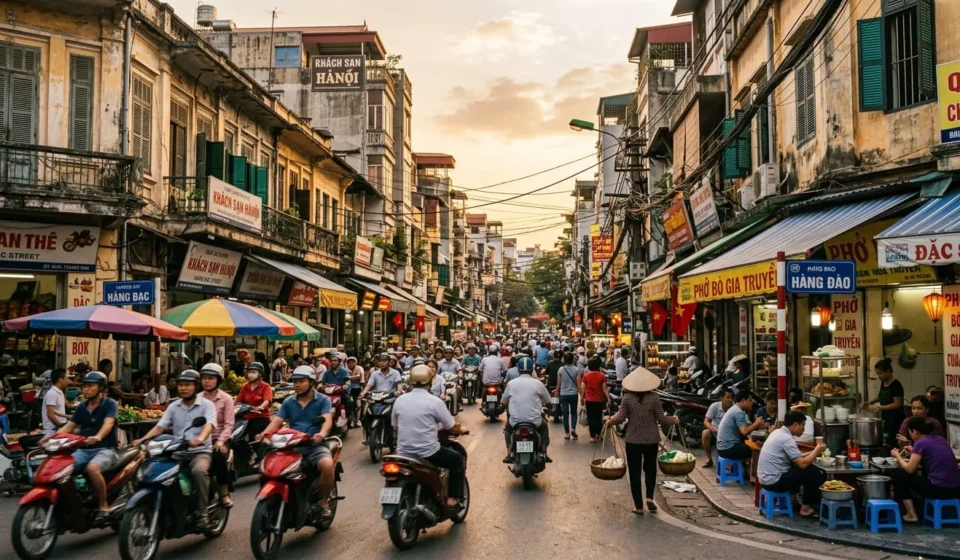
Vietnam Travel Tips: What First-Time Visitors Need to Know
rewards travelers who show up prepared. The country stretches over 1,000 miles from north to south, which means the weather, food, and pace of travel shift dramatically depending on where you land. A trip that starts in the misty hills of Sapa can end on a beach in Phu Quoc, and each sVietnam top has its own rhythm.
These vietnam travel tips cover the details that actually change how your trip goes: visa paperwork, cash versus card, staying safe on the roads and at night, and the small cultural habits that make locals warm up to you faster. None of this requires years of travel experience. It just requires knowing what to expect before you land. If you’re extending the trip beyond Vietnam, things to do in Malaysia gives you another nearby country worth adding to the route.
Entry Requirements and Visas
Vietnam offers an e-visa that covers stays of up to 90 days and allows multiple entries, which is enough for nearly any vacation itinerary. Apply through the official Vietnamese immigration portal at least a week before departure, since processing can take three to five business days. Avoid third-party visa sites that charge inflated fees for the same service.
Your passport needs at least six months of validity remaining from your arrival date and two blank pages for stamps. Vietnamese border officials have turned away travelers over damaged or worn passports, so check the condition of yours well before you pack. You must also enter and exit the country using the same passport, which matters if you’re planning to renew or replace it mid-trip.
Once you land, double check the exit date stamped in your passport. Immigration will not correct errors after you leave the airport, and an incorrect date can turn into an overstay problem you did not cause.
Money, Cash, and Card Use
Vietnam runs on cash more than most travelers expect. Street food stalls, local markets, motorbike taxis, and small guesthouses rarely take cards, so carry Vietnamese dong in small denominations for daily spending. Larger hotels, restaurants, and tour operators do accept cards, but they typically add a 3 to 4 percent surcharge.
ATMs are widely available in cities and tourist areas, though many charge a withdrawal fee on top of whatever your home bank charges. Withdraw larger amounts less frequently to reduce how much you lose to fees. Notify your bank before you travel so a foreign transaction doesn’t trigger a fraud freeze on your card.
Bargaining is common at markets and with unmetered transport, but it is not expected at restaurants, supermarkets, or convenience stores. A good rule is to negotiate with a smile and stop once the price feels fair rather than pushing for the lowest possible number.
Staying Safe in Vietnam
Vietnam is generally safe for travelers, but a few specific risks deserve real attention rather than a passing mention.
Petty theft, including bag snatching from moving motorbikes, happens in busy tourist areas. Wear crossbody bags on the side away from traffic and keep your phone out of sight while walking near roads.
Unlicensed taxis are linked to a disproportionate number of assault and harassment reports involving foreign travelers. Book rides through the Grab app instead of hailing a cab off the street, since it gives you a driver record, a fixed fare, and a trip log. If you’re at a bar or club, buy your own drinks and watch them being poured, and be cautious about accepting drinks or snacks from strangers.
Landmines and unexploded ordnance remain in some rural and former conflict areas, particularly near the old demilitarized zone. This is not a concern in cities or standard tourist sites, but if you’re trekking off marked paths, stay on designated trails and never touch old metal objects in the ground.
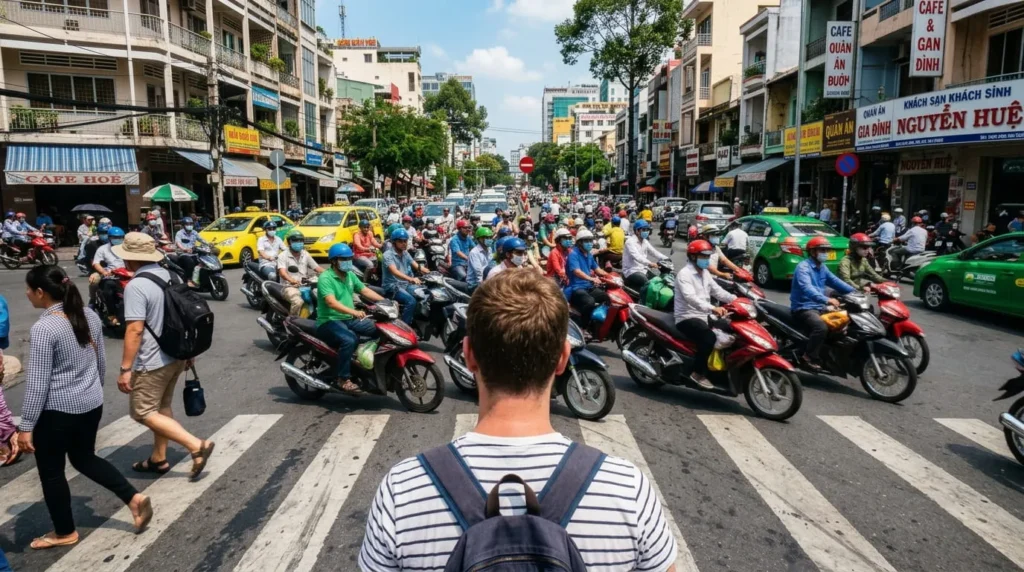
Crossing the street is its own skill in Vietnam’s cities. Traffic rarely stops for pedestrians. Walk at a slow, steady pace and let motorbikes flow around you rather than stopping or running, which is what causes collisions.
Getting Around: Transportation Tips
Vietnam’s length is the single biggest planning factor most first-timers underestimate. Trying to cover Hanoi, Hoi An, and Ho Chi Minh City in one trip means serious travel time, so most experienced visitors pick a domestic flight to skip the longest overland stretches and save ground travel for shorter regional hops.
Domestic flights are cheap and frequent between major cities. The reunification train that runs the length of the country is slower but scenic, especially the coastal stretch near Da Nang. Sleeper buses connect smaller towns and cost less than flights, though comfort varies widely between operators.
Renting a motorbike is popular in cities like Hoi An and Da Lat, but Vietnamese traffic is unpredictable and many travel insurance policies exclude motorbike accidents unless you hold a valid motorcycle license. Check your policy before you rent, and always wear a helmet even for short rides.
Staying Connected: SIM Cards and Wifi
A local SIM card is the easiest way to stay connected, and data speeds in Vietnam are reliable even outside major cities. Airport kiosks sell tourist SIMs on arrival, or you can order an eSIM ahead of time if your phone supports it. Make sure whichever number you use can receive calls, since Grab drivers and delivery services often call rather than text.
Wifi is available at most hotels, cafes, and restaurants, but a local SIM gives you a backup for navigation and ride-booking apps when you’re away from a connection.
Cultural Etiquette You Should Know
Vietnamese culture places a high value on respect and modesty, and a few habits go a long way with locals. Dress modestly when visiting temples and pagodas by covering your shoulders and knees, and remove your shoes before entering someone’s home or a place of worship.
Use both hands when giving or receiving money, business cards, or gifts, which signals respect in Vietnamese custom. Public displays of affection are considered impolite in most settings, so keep physical affection low-key in public. A polite nod or smile toward older locals is appreciated and often returned with genuine warmth.
Tipping is not deeply embedded in Vietnamese culture the way it is elsewhere, but it is increasingly common in tourist-facing restaurants and for tour guides. A modest tip for good service is welcomed, though never demanded.
Food and Street Food Safety
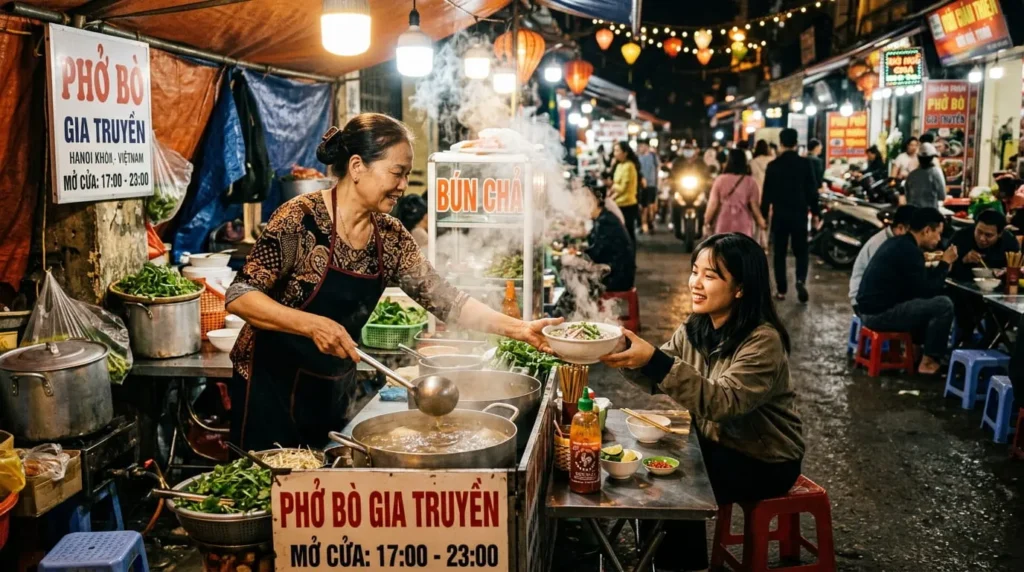
Street food is one of the best reasons to visit Vietnam, and skipping it means missing a huge part of the experience. Choose stalls with high turnover and a steady stream of local customers, since that turnover keeps ingredients fresh. Watch your food being cooked rather than sitting out, and avoid ice unless you’re at an established restaurant that clearly uses filtered water.
Stick to bottled or boiled water for drinking, and be cautious with raw vegetables and fruit that may have been washed in tap water. Pho, banh mi, bun cha, and fresh spring rolls are widely available and generally safe bets for a first meal. If your stomach is sensitive, ease into street food gradually rather than eating heavily on day one.
Best Time to Visit Vietnam
Because Vietnam spans such a long stretch of coastline, no single season works perfectly for every region at once. The north, including Hanoi and Sapa, is coolest and driest from October through December. The central coast, home to Hoi An and Hue, sees its heaviest rain between September and November, with typhoon risk peaking in that window. The south, including Ho Chi Minh City and the Mekong Delta, stays warm year-round with a dry season from December through April.
If your itinerary covers multiple regions, expect at least some variation in weather and pack layers you can adjust as you move.
What to Pack
Lightweight, breathable clothing works for most of the year, but bring a light rain jacket regardless of season, since sudden downpours are common even outside the official rainy months. Pack clothing that covers your shoulders and knees for temple visits, comfortable walking shoes for uneven sidewalks, and a portable charger for long travel days. Sunscreen and insect repellent are worth buying before you arrive, since local options can be harder to match to your preference.
Common Mistakes First-Time Visitors Make
Many first-time visitors try to pack too many cities into too short a trip, which leaves little time to actually enjoy any one place. Others assume cards will work everywhere and end up scrambling for cash. A common and preventable mistake is hailing an unmarked taxi instead of using Grab, which removes most of the risk tied to unlicensed drivers.
Underestimating Vietnam’s size is the biggest planning error. Give yourself at least two to three weeks if you want to see the north, center, and south without rushing, or narrow your trip to one region and go deeper instead of wider.