
Things to Do in Vieques: A Complete Island Guide
Vieques sits eight miles off the eastern coast of Puerto Rico, and it feels like a different country entirely. There are no traffic lights on the island, no big resorts crowding the shoreline, and no crowds fighting for beach space. What you get instead is a slower pace, some of the best beaches in the Caribbean, and a bioluminescent bay that genuinely lives up to the hype.
Most visitors plan two to four days here, and that is usually enough to hit the highlights without rushing. This guide covers what to actually do once you arrive, in the order that makes the most sense for a first trip.
Kayak Through Mosquito Bay at Night
Mosquito Bay is the reason most people book a trip to Vieques in the first place. It holds the title of one of the brightest bioluminescent bays on the planet, and the glow comes from millions of microorganisms called dinoflagellates that light up blue when the water around them moves.
A few things separate a great night on the bay from a disappointing one. Book a kayak tour rather than a boat tour if you have the option. Boats with motors disturb the water less directly under the hull, and paddling puts your hands right in the glowing water. Go on a moonless night. A full moon washes out the bioluminescent effect almost completely, so check the lunar calendar before you book and aim for a few days on either side of the new moon.
Swimming in the bay has been restricted for years due to sunscreen and bug spray contamination harming the organisms, so most operators now keep guests in the kayaks. Wear dark, loose clothing and skip any lotions or repellents before the tour. The paddle itself takes about 45 minutes each way through a mangrove channel, which is an experience on its own even before the bay opens up.
Spend a Day at Vieques’ Beaches
Vieques has more than 40 beaches, and the good news is that the best ones require almost no effort to reach.
1. Playa Caracas (Red Beach)
This is the beach most people picture when they think of Vieques. Calm, shallow water, soft sand, and enough shade from sea grape trees to spend a full day here. It sits inside the former Navy land that is now the Vieques National Wildlife Refuge, and the access road is paved the whole way.
2. Playa La Chiva (Blue Beach)
La Chiva is quieter and more spread out, made up of a series of small coves separated by rock outcroppings. The snorkeling here beats Red Beach, with better visibility and more coral close to shore. The road in has a rough, unpaved stretch, so a car with decent clearance helps.
3. Playa Negra (Black Sand Beach)
This one takes more effort to find and most rental companies will not recommend driving here, since the last stretch requires walking through brush. The payoff is a small beach with black volcanic sand, a genuinely unusual sight in the Caribbean and worth the detour if you have a full day to spare.
Explore the Vieques National Wildlife Refuge
For seventy years, the U.S. Navy used two-thirds of Vieques as a bombing range and training ground. When the Navy left in 2003, that land became a wildlife refuge, and the lack of development for decades left the coastline almost entirely untouched.
The refuge covers most of the island’s best beaches, including Caracas and La Chiva, along with hiking trails, mangrove forests, and coastal lagoons where you can spot herons, pelicans, and sea turtles nesting between April and November. Stick to marked trails and roads. Some interior sections of the former range still have unexploded ordnance, and while the beaches and main access roads are cleared and safe, wandering off-path anywhere near old military zones is not worth the risk.
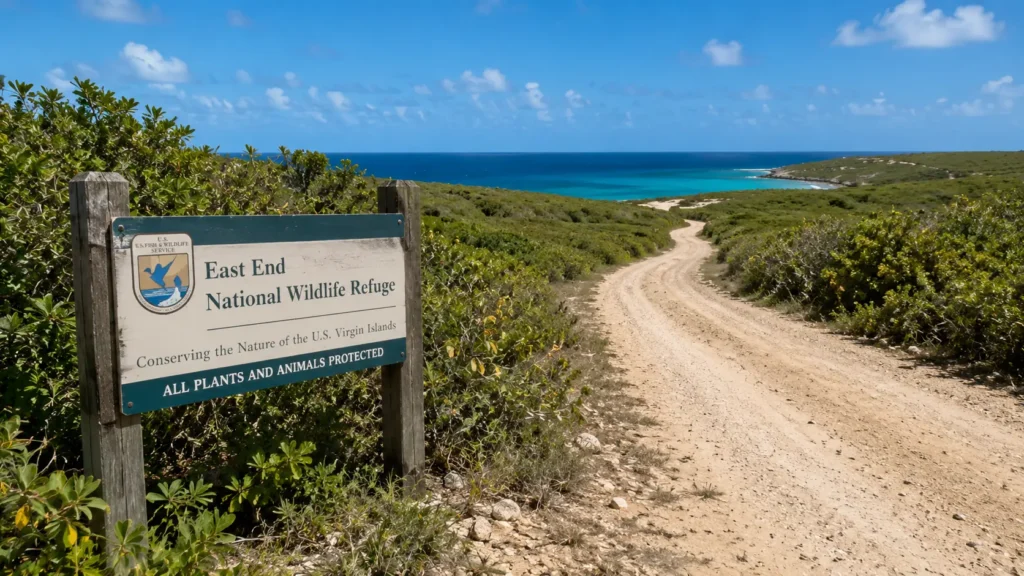
The refuge visitor center near the main entrance has maps and current information on which areas are open, since access occasionally shifts based on ongoing cleanup work.
Look for the Wild Horses
Vieques has roughly 1,000 to 2,000 free-roaming horses, known locally as paso finos, and they outnumber the island’s own residents by a wide margin. Nobody rounds them up or fences them in. They graze along the roadsides, wander across beaches, and occasionally nap in the shade of someone’s front yard.
They are not tame, even though they look calm. Keep a reasonable distance, do not feed them, and never approach a foal with a mare nearby. The best places to spot them are the open fields along PR-201 near the wildlife refuge and the grassy stretches close to Esperanza in the early morning or late afternoon, when the heat is lower and they are more active.
Walk the Esperanza Malecón
Esperanza is Vieques’ small waterfront town, and its malecón, a paved boardwalk running along the water, is where most of the island’s restaurants, bars, and guesthouses cluster. It is walkable end to end in about fifteen minutes, but plan to spend longer than that.
Sunset here draws a small, low-key crowd rather than a tourist mob. Grab a table at one of the open-air spots along the strip, order a cold Medalla, and watch the light change over the water. During the day, the malecón is also the easiest place to arrange snorkeling trips, bike rentals, and horseback riding tours, since most tour operators have small stands or offices right along the strip
Visit the Fort and Historic Lighthouse
History on Vieques is easy to overlook next to the beaches, but two sites are worth the short detour.
1. Fort Conde de Mirasol
Built in the 1840s, this is the last Spanish fort constructed in the Americas. It now houses a small museum covering the island’s Taino, Spanish colonial, and Navy history, including a section on the decades-long fight to remove the military from Vieques. The building itself, with its thick stone walls and courtyard, takes about 45 minutes to walk through.
2. Punta Mulas Lighthouse
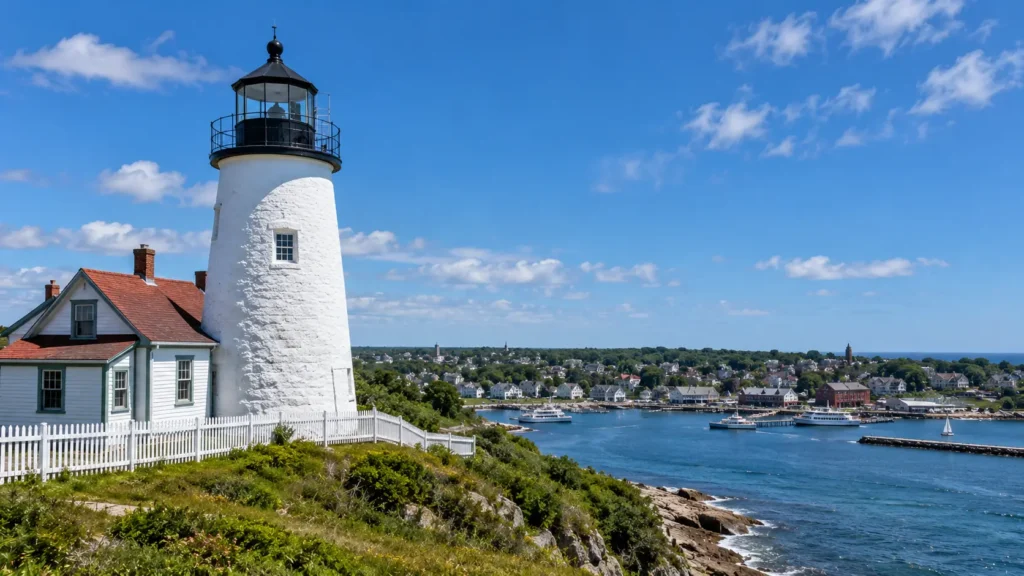
This lighthouse sits on a bluff overlooking Isabel Segunda, the island’s main town, and offers one of the better free views on Vieques. It is a short walk from the ferry terminal, which makes it an easy stop right when you arrive or before you head back to the mainland.
Eat Where the Locals Eat
Vieques’ food scene is small but genuinely good, built mostly around family-run spots rather than chains. Fresh seafood is the strongest category on the island, with grouper, mahi mahi, and lobster showing up on most menus depending on the season.
Food trucks and roadside stands near Esperanza and Isabel Segunda are worth seeking out for empanadillas and pinchos, the grilled meat skewers sold across Puerto Rico. For a sit-down meal, the restaurants along the Esperanza malecón lean toward Caribbean and Puerto Rican dishes with fresh catch specials that change daily based on what came in that morning.
Reservations matter more than you would expect on such a small island, especially in the December through April high season, since seating at the better spots fills up fast.
Getting Around Vieques
A car is close to mandatory here. Public transportation is minimal, and the best beaches and the wildlife refuge sit outside walking distance from Esperanza or Isabel Segunda. Rental companies on the island are mostly small, local operators rather than the major chains found in San Juan, and many rent Jeeps or trucks with high clearance, which matters for the rougher beach access roads.
Golf carts and scooters are popular for getting around the two main towns but are not built for the refuge roads or the drive to Playa Negra. If your itinerary is mostly beach-focused with a couple of town stops, a smaller car works fine. If you want to reach every beach on this list, book something with higher clearance in advance, since availability on the island is limited.
When to Visit Vieques
The dry season from December through April brings the most reliable weather and the biggest crowds, along with higher prices on ferries and accommodations. Hurricane season runs June through November, with September and October carrying the highest storm risk, though the island still sees plenty of clear days during these months.

For the bioluminescent bay specifically, timing around the moon phase matters more than the season. A new moon in July gives a better bay experience than a full moon in January, so check the lunar calendar first and build the rest of the trip around it.