
Panama Travel Guide: Everything to Know Before You Go
Panama sits at the crossroads of two continents and two oceans, and it packs an outsized range of experiences into a country roughly the size of South Carolina. You can watch massive container ships glide through the Panama Canal in the morning, hike through cloud forest in the highlands by afternoon, and fall asleep to waves on a car-free Caribbean island by night. For American travelers, it’s also refreshingly convenient: short flights from most US hubs, the US dollar as legal currency, and no language barrier issues for those who plan.
This Panama travel guide covers what you actually need to plan a trip — when to go, where to stay, what to see, how to get around, and how much to budget — so you can spend less time researching and more time deciding what sounds fun.
Why Panama Belongs on Your Travel List
Panama doesn’t get the tourism spotlight that Costa Rica or Colombia do, which works in its favor. Popular spots feel less crowded, prices are often lower for comparable experiences, and the country’s small size means you can combine rainforest, mountains, and two different coastlines in a single trip without exhausting travel days.
The Panama Canal is the obvious headline attraction, and it’s genuinely worth seeing in person. But the country’s real strength is variety: Panama City offers a modern skyline and a UNESCO-listed old town, the highlands around Boquete deliver coffee farms and cool mountain air, and the San Blas and Bocas del Toro archipelagos offer two very different flavors of island life — one traditional and Indigenous-run, the other laid-back and backpacker-friendly.
When to Visit Panama
Panama has two seasons rather than four: dry season and rainy season.
Dry season (mid-December to mid-April) is the most popular time to visit. Expect sunny days, lower humidity, and the best conditions for hiking, island-hopping, and diving. This is also peak season, so flights and hotels cost more, especially around Christmas, New Year’s, and Easter week.
Rainy season (May to mid-December) doesn’t mean constant downpours. Rain typically arrives in short, heavy afternoon bursts, with mornings often clear. This season brings lush green landscapes, fewer crowds, and noticeably better hotel rates. September and October see the heaviest rainfall, so if you’re visiting during rainy season, the shoulder months of May, June, or November tend to be a safer bet.
For most travelers, late November through mid-December or April offer a good compromise: fewer crowds than peak dry season, with still-manageable rain.
Getting to Panama and Entry Requirements
Tocumen International Airport (PTY) in Panama City is the main gateway and one of the busiest hub airports in Latin America, with direct flights from cities including Miami, New York, Houston, Atlanta, Los Angeles, and Fort Lauderdale. Flight times from the US East Coast typically run three to four hours.
US citizens need a passport valid for at least three months beyond their arrival date. Tourist visas aren’t required for stays under 180 days, though travelers are generally expected to show proof of onward travel and sufficient funds. It’s worth double-checking current entry requirements on the US State Department or Panamanian embassy website before departure, since policies can shift.
Getting Around Panama
Domestic flights: Panama’s small size and mountainous or roadless terrain in places make domestic flights a practical option, especially to reach Bocas del Toro or the San Blas Islands. Air Panama operates most domestic routes from Panama City’s Albrook Airport, and flights are often surprisingly affordable.
Buses: Long-distance buses connect major towns and cities at low cost, and the ride from Panama City to David (gateway to Boquete) is comfortable on modern coaches. Local buses, sometimes called “diablo rojos,” are colorful, cheap, and an experience in themselves, though less predictable on schedule.
Rental cars: A rental car gives flexibility for exploring the highlands or the Azuero Peninsula, and roads on the Pacific side are generally in good condition. Driving into Bocas del Toro or San Blas isn’t possible by car for most of the route, so a rental makes more sense for a highlands-and-Pacific-coast itinerary than an island-hopping one.
Taxis and rideshare: Uber operates in Panama City and is generally the easiest, most transparent option for getting around the capital.
Top Destinations in Panama
1. Panama City
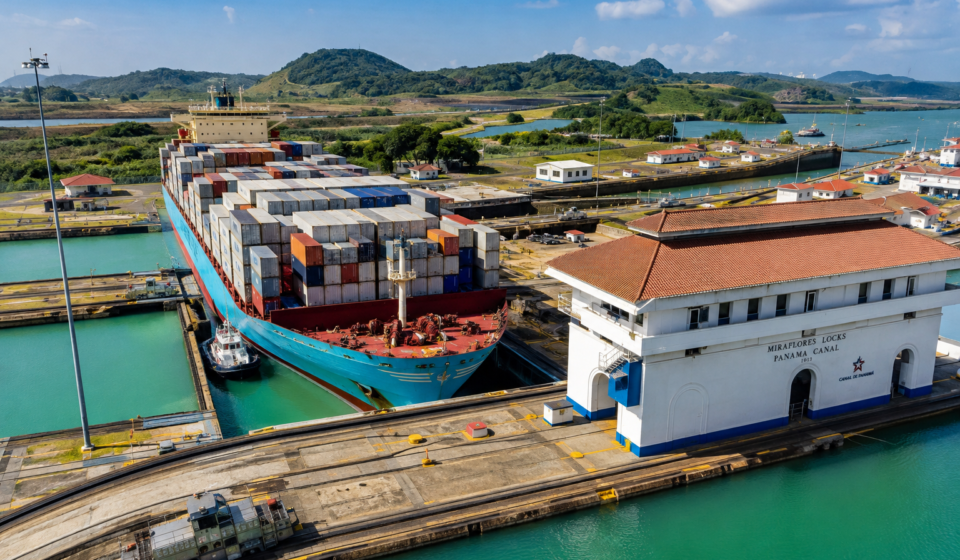
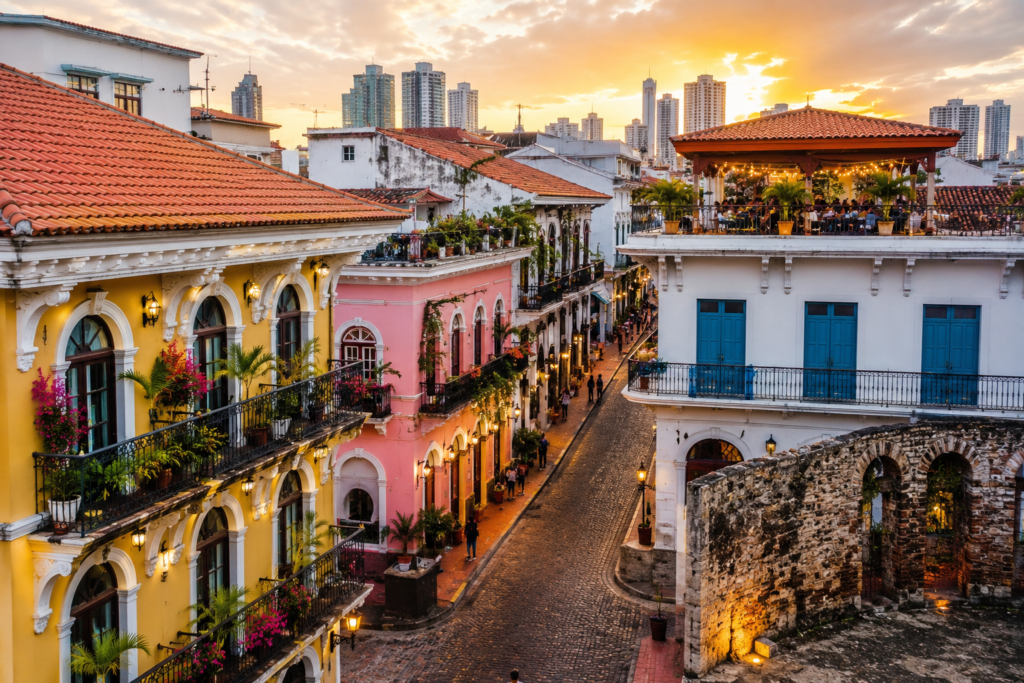
Panama City blends a glassy, high-rise skyline with Casco Viejo, the beautifully restored colonial old town full of plazas, restaurants, and rooftop bars. Spend at least one full day here before heading elsewhere. Highlights include the Panama Canal’s Miraflores Locks visitor center, where you can watch ships pass through at close range, the Biomuseo designed by Frank Gehry, and Casco Viejo’s mix of Spanish colonial and French colonial architecture.
2. The Panama Canal
Beyond the visitor center, consider a partial or full canal transit tour by boat, which lets you experience the lock system from the water rather than just watching from shore. Miraflores Locks is the most accessible viewing point from the city, while Gatun Locks on the Caribbean side offer a quieter alternative.
3. Boquete and the Highlands
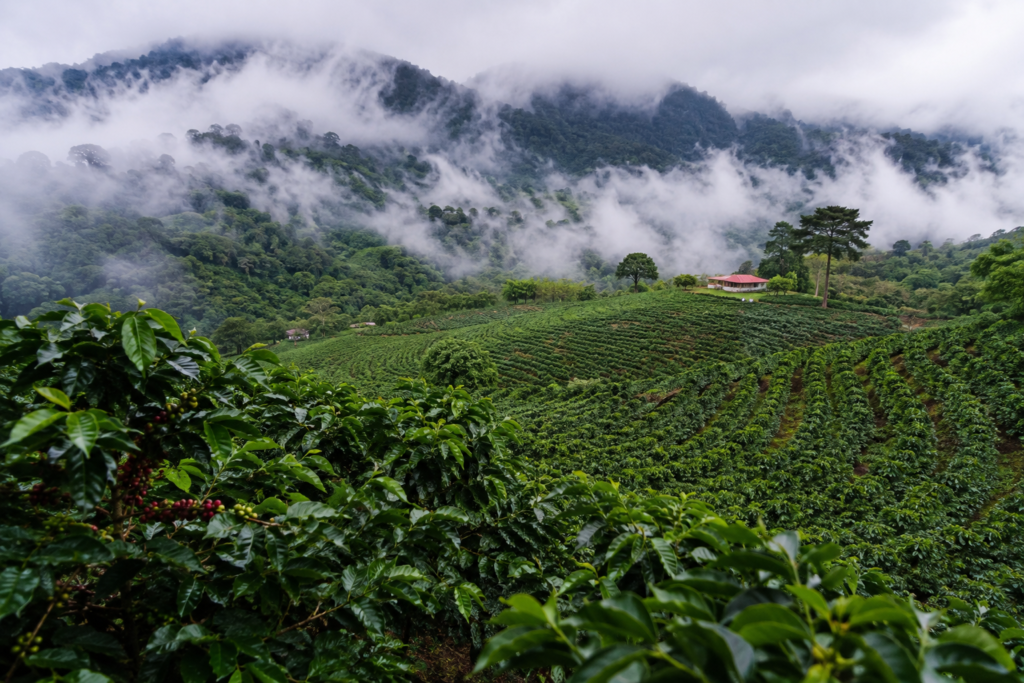
Set in the mountains near the Costa Rican border, Boquete is Panama’s coffee country and a favorite for hikers and nature lovers. The Quetzal Trail winds through cloud forest with a chance of spotting the resplendent quetzal bird, and coffee farm tours here go far beyond the basics, since this region produces some of the world’s most sought-after Geisha coffee. The cooler climate is a welcome break from the heat of the coasts.
4. Bocas del Toro
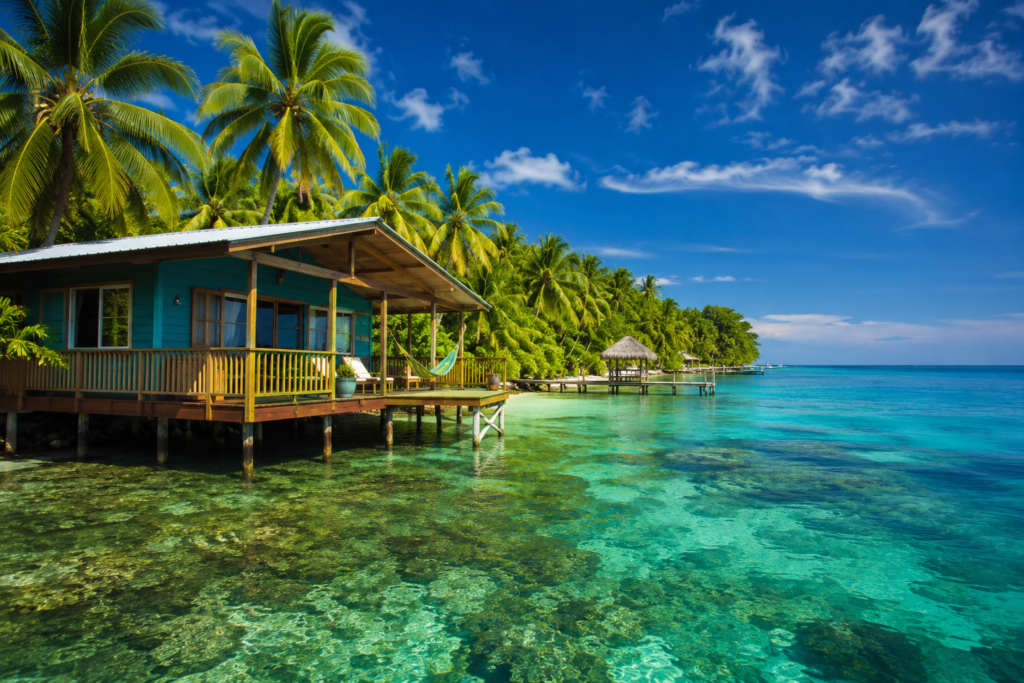
This Caribbean archipelago is Panama’s most popular beach destination, known for laid-back island towns, surf breaks, snorkeling, and a strong backpacker and expat scene. Isla Colón is the main hub, while Bastimentos and Carenero offer quieter, more secluded stays. Water taxis connect the islands, and the vibe here leans casual and social.
5. Guna Yala (San Blas Islands)
This is one of Panama’s most distinctive destinations: a chain of more than 350 islands governed by the Indigenous Guna people, largely undeveloped and reachable mainly by small boat or light aircraft. Expect simple, rustic accommodations, powder-white sand, and a genuinely different cultural experience, since the Guna maintain significant autonomy and their own customs. It’s less about luxury and more about disconnecting completely.
6. Pearl Islands (Islas Perlas)
Closer to Panama City and easier to reach on a day trip or overnight stay, the Pearl Islands offer beaches and snorkeling without the extra travel time required for Bocas or San Blas.
What to Eat in Panama
Panamanian food draws on Spanish, Indigenous, Caribbean, and Afro-Panamanian influences. A few dishes worth seeking out:
- Sancocho: a hearty chicken and root vegetable soup, often considered the national dish
- Ceviche: fresh, citrus-cured fish, widely available and especially good near the coasts
- Patacones: twice-fried plantains, served as a side with almost everything
- Arroz con guandú: rice cooked with pigeon peas and coconut, common in Caribbean-influenced areas
- Fresh seafood: given the country’s two coastlines, seafood is consistently good and reasonably priced
Panama City has a genuinely strong dining scene, with everything from street-food stalls to upscale restaurants in Casco Viejo.
Budgeting for a Panama Trip
Panama uses the US dollar (locally called the balboa, printed identically to USD), which removes currency exchange hassle entirely for American travelers.
- Budget travelers: roughly $40–60 per day covering hostels, local food, and public buses
- Mid-range travelers: roughly $100–180 per day for comfortable hotels, restaurant meals, and some tours or domestic flights
- Higher-end travelers: $250 or more per day for boutique hotels, private tours, and premium island stays
Costs rise meaningfully in Bocas del Toro and San Blas due to transport and import logistics, so budget extra for those legs of a trip.
Safety and Practical Tips
Panama is generally considered one of the safer countries in Central America for travelers, though normal city precautions apply in Panama City, particularly around certain neighborhoods after dark. Tap water is safe to drink in Panama City and most developed areas, though bottled water is a safer bet in more remote regions. Spanish is the official language, and while English is common in tourist areas and hotels, learning a few basic Spanish phrases goes a long way outside the capital.
Electrical outlets match the US standard, so no adapter is needed for American travelers, though a voltage check is worth it for sensitive electronics.
Sample One-Week Panama Itinerary
- Days 1–2: Panama City — Casco Viejo, Miraflores Locks, Biomuseo
- Days 3–4: Boquete — coffee tours, Quetzal Trail, hot springs
- Days 5–7: Bocas del Toro — island hopping, snorkeling, beach time
This route covers city, mountain, and island experiences without excessive travel time, and it’s easy to swap Bocas del Toro for San Blas if a more remote, culturally immersive island experience appeals more than a beach-town vibe.
Final Thoughts
Panama rewards travelers who want more than one type of experience packed into a single trip. Few countries let you tour a modern engineering marvel, hike cloud forest, and relax on a Caribbean island within the same week — all while using dollars and short flight times from the US. Whether you’re drawn by the canal, the coffee, or the coastline, Panama offers enough range to justify more than one visit.