
Barcelona Itinerary 5 Days: A Complete First-Timer Plan
Five days is close to the ideal amount of time to see Barcelona without rushing through it. You get enough time for the major Gaudi landmarks, a full day near the beach, a proper tapas crawl, and one day trip outside the city, while still leaving room to sit in a plaza with a coffee and watch the city move around you.
This itinerary is built around how Barcelona is actually laid out. The Gothic Quarter, El Born, and La Rambla sit close together and are best walked. Sagrada Familia and Park Guell sit farther out and deserve their own day. The beach neighborhoods and Montjuic hill work well as a pair. Eixample’s Modernist buildings and the tapas bars nearby fit naturally into an evening-heavy day. The fifth day is left open for a day trip, since Barcelona sits within easy reach of Montserrat, Girona, and the Costa Brava.
How to Use This Barcelona Itinerary
Book Sagrada Familia and Park Guell tickets before you land. Both sell out days in advance during spring and summer, and showing up without a reservation means you likely will not get in at all. Casa Batllo and Casa Mila also benefit from advance booking, though same-day availability is more common for those two.
Barcelona is walkable within neighborhoods but spread out between them. The metro is fast, cheap, and covers almost everywhere on this itinerary, so a T-Casual 10-trip card or a Hola Barcelona travel card will save both time and money over individual tickets.
August is the one month to plan around carefully. Many small family-run restaurants close for two to three weeks, and the heat makes long outdoor walks in the middle of the day uncomfortable. Late September through early November and April through June offer the best mix of good weather and manageable crowds.
Day 1: Gothic Quarter, La Rambla, and El Born
Start in the Gothic Quarter, the medieval core of the city, where narrow stone streets open unexpectedly into small plazas. Placa Reial and Placa Sant Jaume are good anchor points, and the Barcelona Cathedral is worth stepping into even if you are not planning to visit many churches on this trip.
Walk La Rambla in the morning rather than the evening. It is Barcelona’s most famous street, but it is also the most touristy and pickpocket-prone, so morning hours before the crowds peak are more pleasant and safer. Skip eating directly on La Rambla itself, since prices are inflated and quality is generally lower than a block or two away.
In the afternoon, cross into El Born, a neighborhood of boutique shops, small squares, and the Santa Maria del Mar basilica, one of the best examples of Catalan Gothic architecture in the city. This is also where the Picasso Museum sits, worth two hours if you have any interest in his early work, which is less represented in his more famous museums elsewhere.
End the day with dinner in El Born or a short walk to the Barceloneta waterfront for the sunset, saving the beach itself for Day 3.
Day 2: Sagrada Familia and Park Guell
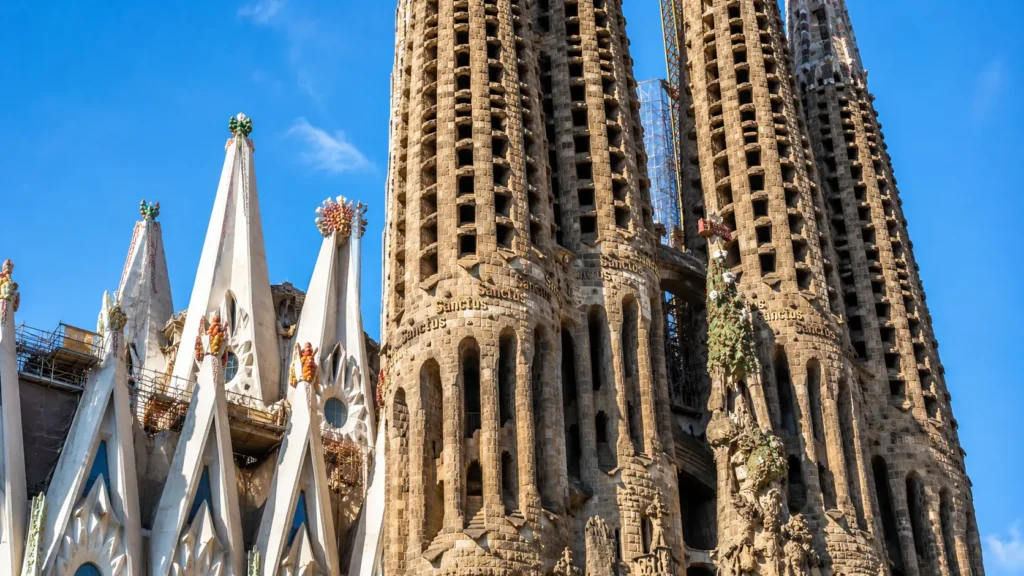
This is the Gaudi day, and it needs a booked morning slot at Sagrada Familia to avoid the worst of the crowds and heat. Give the basilica at least ninety minutes, since the interior, with its forest-like columns and stained glass light, is what makes it different from photos of the exterior.
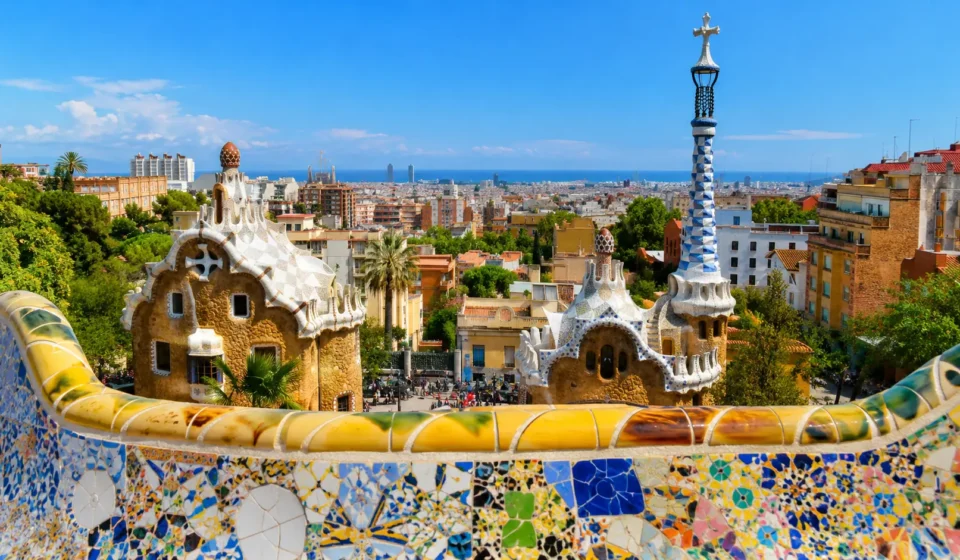
From Sagrada Familia, take the metro toward Park Guell rather than walking, since the distance is longer than it looks on a map and includes a steep uphill section. Park Guell’s monumental zone, with the mosaic dragon and terrace, requires a timed ticket, but the surrounding gardens are free to enter and offer some of the best views over the city.
In the late afternoon, head back toward Gracia, the neighborhood just below Park Guell, for a quieter dinner scene than the tourist-heavy areas closer to the center. Gracia has a strong local feel, with small squares and restaurants that cater more to residents than visitors.
Day 3: Beaches, Barceloneta, and Montjuic
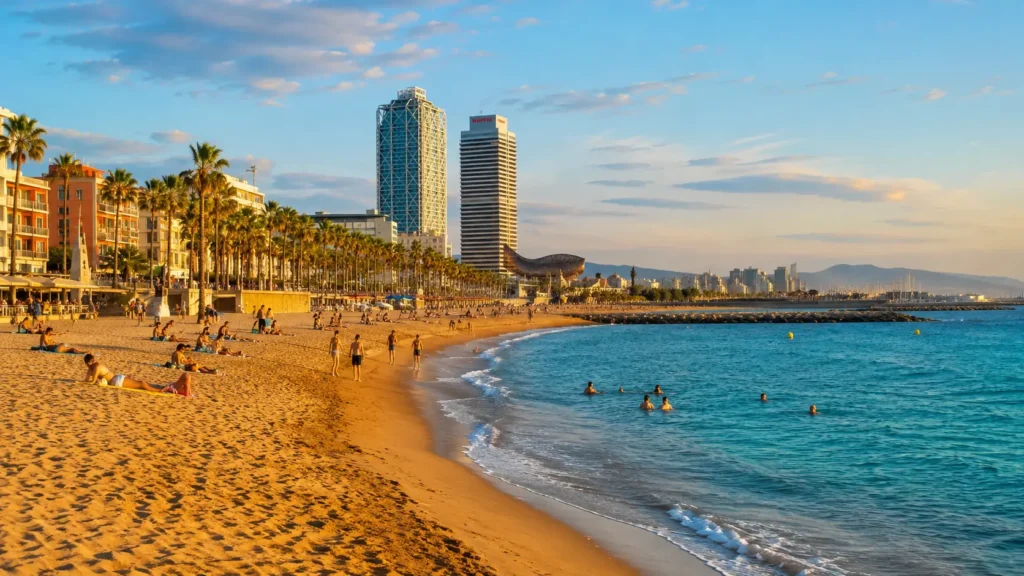
Spend the morning at Barceloneta beach if the weather allows. It is the closest beach to the city center and gets crowded by midday, so arriving before 11am gets you the best combination of space and sun. If beaches are not a priority, this is a reasonable day to swap for more museum time instead.
In the afternoon, head to Montjuic hill, reachable by cable car from the beach area or by metro and funicular from Paral·lel station. Montjuic holds several worthwhile stops within a compact area: the Montjuic Castle for panoramic harbor views, the Joan Miro Foundation for a strong collection of Catalan modern art, and the Magic Fountain, which puts on a light and water show in the evening on weekends and some weekday evenings depending on the season.
Montjuic is large enough that trying to see everything in one afternoon means rushing. Pick two of the three main stops rather than attempting all of them, and use the cable car ride itself as a scenic activity rather than just transportation.
Day 4: Eixample Architecture and a Tapas Crawl
Eixample is Barcelona’s grid-planned district and home to the Illa de la Discordia, a single block on Passeig de Gracia where three Modernist buildings by three different architects sit side by side. Casa Batllo and Casa Mila, both by Gaudi, anchor this area and are worth entering if you did not already tour Sagrada Familia’s interior extensively, since the interior spaces show a more domestic, livable side of his design work.
Spend the afternoon shopping or browsing Passeig de Gracia, then shift toward a proper tapas crawl for the evening. Rather than one long sit-down dinner, visit three or four bars, having a couple of dishes and a drink at each. This is closer to how tapas culture actually works in Barcelona than a single tasting menu, and it lets you sample a wider range of dishes: patatas bravas, jamon iberico, pan con tomate, and grilled seafood are reliable choices almost anywhere.
Sant Antoni and the streets around Carrer de Blai in Poble Sec are known for pintxos, a Basque-style variation where small skewered bites sit on the bar and you pay based on how many toothpicks you accumulate.
Day 5: Day Trip from Barcelona
With four full days already covering the city center, Day 5 is best used as a day trip. Two options consistently work well for a one-day window.
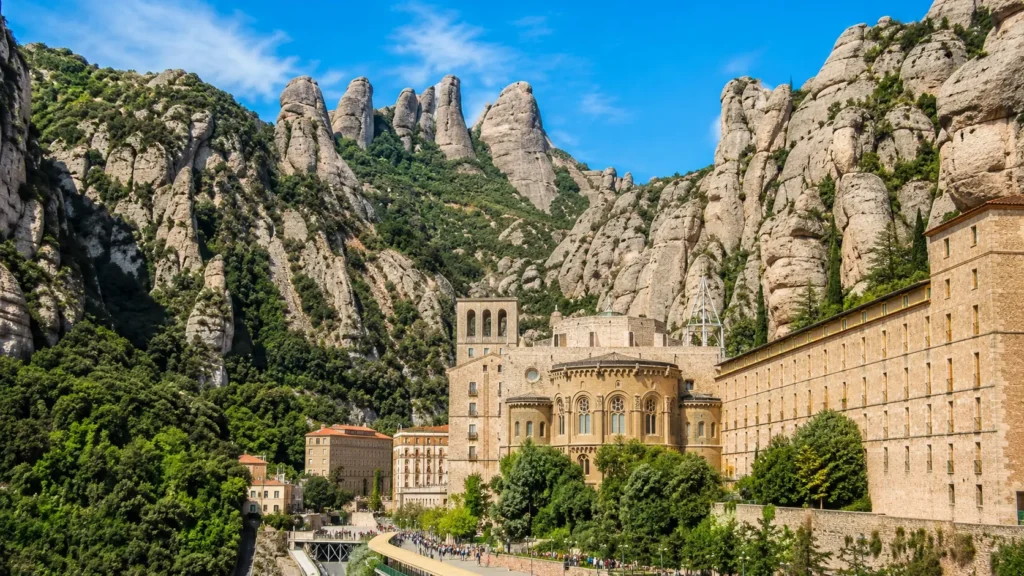
Montserrat is the more popular choice, a mountain monastery about an hour from Barcelona by train and cable car or rack railway. The setting is dramatic, with jagged rock formations surrounding a working monastery, and the basilica houses a famous statue of the Black Madonna. Plan for a half-day minimum, and start early since the cable car queue builds up by midmorning.
Girona is the alternative for travelers more interested in a walkable medieval town than a mountain landscape. Its old town, cathedral, and colorful riverside houses are compact enough to see well in an afternoon, and it makes a good half-day trip if you want to combine it with a relaxed final morning in Barcelona itself.
If a day trip does not appeal, Day 5 can instead be used to revisit favorite spots, explore Poblenou’s beach and street art scene, or take a longer, unrushed food tour through El Born and Gracia.
Where to Stay for a 5 Day Barcelona Trip
Eixample is the most practical base for a five-day trip, since it sits within walking distance of the Gothic Quarter and has direct metro access to Sagrada Familia, Park Guell, and the beach. It also tends to be quieter at night than the Gothic Quarter or El Raval.
The Gothic Quarter and El Born put you closer to the historic sights but come with more street noise, especially on weekends. Barceloneta is worth considering if beach access matters more to you than proximity to the main sights, though rooms there tend to be smaller and pricier per square foot.
Budget for 5 Days in Barcelona
Costs vary widely by travel style, but a few line items are worth planning around specifically. Sagrada Familia entry, Park Guell’s monumental zone, and Casa Batllo or Casa Mila together typically run well over 60 euros per person if visited separately, so check combined ticket options if your itinerary includes all of them.
A T-Casual travel card covering ten metro or bus trips is cheaper than paying per ride if you are moving between neighborhoods twice a day, which this itinerary generally requires. Tapas crawls are easier to budget than sit-down dinners, since you control the pace and number of dishes as you go rather than committing to a full menu upfront.
Frequently Asked Questions
1. Is 5 days enough for Barcelona?
Yes, five days covers the main Gaudi sites, the historic center, the beach, Montjuic, and one day trip without feeling rushed. Fewer than five days usually means cutting either the day trip or one of the beach or Montjuic stops.
2. What is the best order to visit Sagrada Familia and Park Guell?
Visit Sagrada Familia in the morning when it opens and Park Guell in the early afternoon. Both are in the same general direction from the center, and doing them back to back on one day frees up the rest of the itinerary for neighborhoods and the coast.
3. Do I need to book tickets in advance for this itinerary?
Yes, for Sagrada Familia and Park Guell’s monumental zone specifically. Both regularly sell out several days ahead during peak season, and without a booked time slot you may not be able to enter at all that day.
4. Should I add a sixth day for the Costa Brava or Girona?
If Montserrat and Girona both interest you, a sixth day makes it easier to do one as a relaxed half-day rather than choosing between them. Five days works well if you are comfortable picking just one day trip.