Best Things to Do in Houston: Space, Art, Food, and Day Trips
The best things to do in Houston include touring Space Center Houston, walking the free Menil Collection, exploring Buffalo Bayou Park, and eating through one of the most varied food scenes in the country. Houston is the fourth-largest city in the United States, so it sprawls, but the main attractions fall into a few easy clusters.
This guide groups the places worth your time by type, then adds a free-activities list, a rainy-day backup, and a three-day route. Hours, prices, and event dates change often, so confirm details on each venue’s official site before you go.
Space and Science Attractions
Space Center Houston
Space Center Houston is the official visitor center for NASA’s Johnson Space Center, and for many travelers it is the main reason to come. The tram tour enters the working NASA campus and stops at the restored Apollo-era Mission Control room, where flight controllers guided the moon landings.
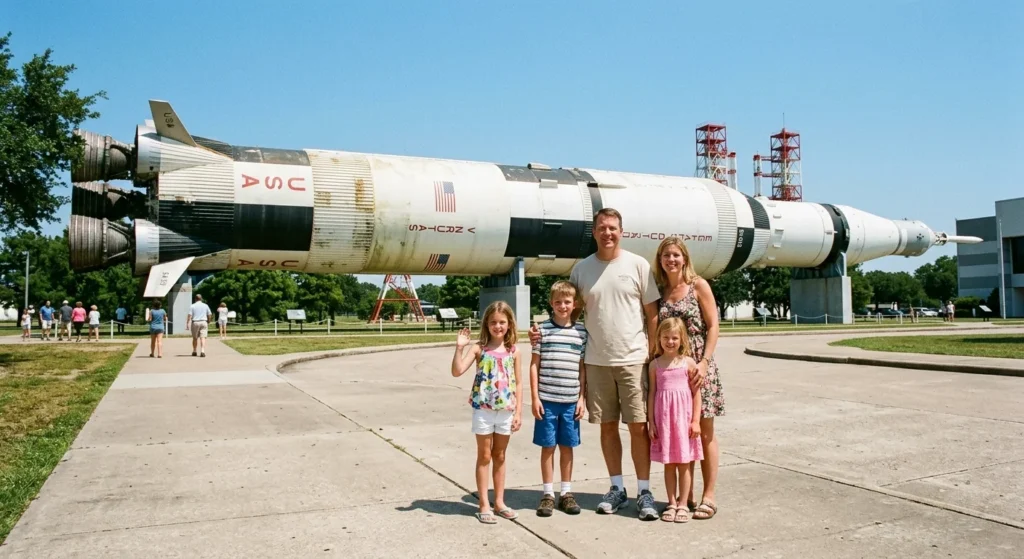
Rocket Park displays a Saturn V rocket lying on its side, and the length is hard to grasp until you walk beside it. Independence Plaza lets you step inside a full-size space shuttle replica mounted on a real NASA 747 carrier aircraft. The Starship Gallery displays the Apollo 17 command module.
Plan on four to five hours. Reserve the tram tour as soon as you arrive, since slots fill up on busy days, and drive in, because the center sits about 25 miles southeast of downtown.
Houston Museum of Natural Science
This museum in Hermann Park covers dinosaurs, Egyptian artifacts, and the Cullen Hall of Gems and Minerals, which is the room adults tend to stay in longest. The Cockrell Butterfly Center puts live butterflies in a rainforest setting you walk through.
It sits across the park from the zoo, so the two combine into a full day with kids.
Art and Culture Worth Your Time
The Menil Collection and Rothko Chapel
The Menil Collection is free and holds a deep range of art, from ancient antiquities to surrealism and modern work, in a calm museum surrounded by bungalow-lined streets in Montrose. The grounds also include the small, separate Cy Twombly Gallery.
The Rothko Chapel is a short drive or walk away, also free, and holds 14 dark paintings by Mark Rothko inside an octagonal room. Together, the two stops take about two hours and cost nothing, which makes them the best-value pair on this list.
Museum of Fine Arts, Houston
The MFAH is among the largest art museums in the United States and spans several buildings. An underground tunnel between two of them carries a light installation by James Turrell, which is worth walking through even if you skip the galleries.
The collection runs from ancient art to Latin American and contemporary work. Free general admission has been offered on Thursdays, but confirm the current schedule before you plan around it. Give one building a proper two hours instead of rushing through all of them.
Parks and Outdoor Spots
1. Buffalo Bayou Park and the Cistern
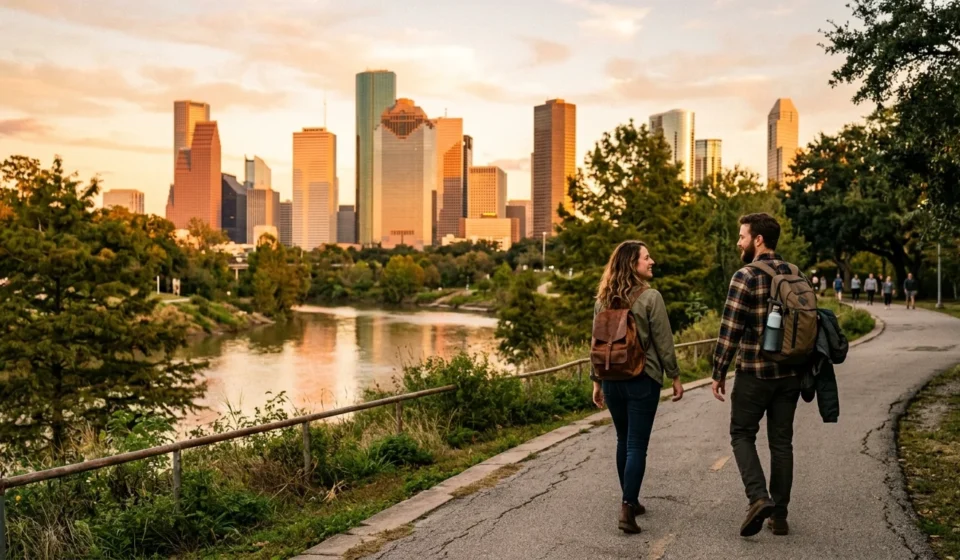
Buffalo Bayou Park covers about 160 acres along the bayou west of downtown. You can walk or bike the trails, rent a kayak, and look back at the downtown skyline from the paths.
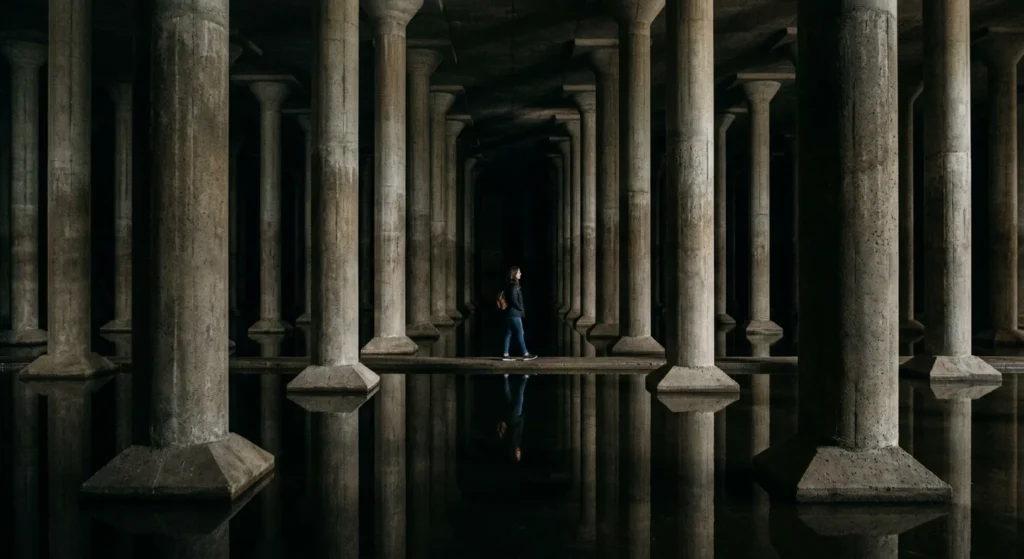
The Cistern is a 1926 underground drinking water reservoir with rows of tall concrete columns, opened to the public in 2016. It now hosts short art installations, and tickets sell out, so book ahead.
2. The Waugh Drive Bat Colony
From roughly spring through early fall, a large colony of Mexican free-tailed bats roosts under the Waugh Drive Bridge. They leave in a stream around dusk, and the show lasts about 20 minutes. It is free, so it fits well just before dinner.
3. Hermann Park and the Houston Zoo
Hermann Park sits at the edge of the Museum District and includes McGovern Centennial Gardens, paddle boats on McGovern Lake, a miniature train, and Miller Outdoor Theatre, which hosts free performances.
The Houston Zoo is inside the park and works as a half-day stop. From May through September, bring water and a hat, since the open lawns offer limited shade.
4. Memorial Park and the Houston Arboretum
Memorial Park covers about 1,500 acres west of downtown, larger than New York’s Central Park. The roughly three-mile Memorial Loop draws runners and walkers at all hours.
The Houston Arboretum and Nature Center, on the park’s edge, has shaded trails and is a calm break when the heat builds.
5. Discovery Green
Discovery Green is a 12-acre downtown park with a lake, playgrounds, and a regular calendar of free events. It is a good place to rest between downtown stops, and restaurants surround it.
Sports and Live Entertainment
Catch an Astros Game at Daikin Park
Daikin Park, formerly Minute Maid Park, sits downtown and has a retractable roof, so a game can go ahead in July heat or a thunderstorm. Football fans can see the Texans at NRG Stadium, and basketball fans can find the Rockets at Toyota Center.
RodeoHouston
Each late winter, the Houston Livestock Show and Rodeo fills NRG Park for about three weeks. It combines rodeo events, carnival rides, a large barbecue cook-off, and a concert most nights. Book lodging early if your dates overlap.
The Houston Theater District
Downtown’s Theater District is home to Houston Grand Opera, Houston Ballet, Houston Symphony, and the Alley Theatre. Few American cities have resident companies in all four disciplines. Touring Broadway productions play at the Hobby Center.
Food and Neighborhoods
Eating Your Way Through Houston
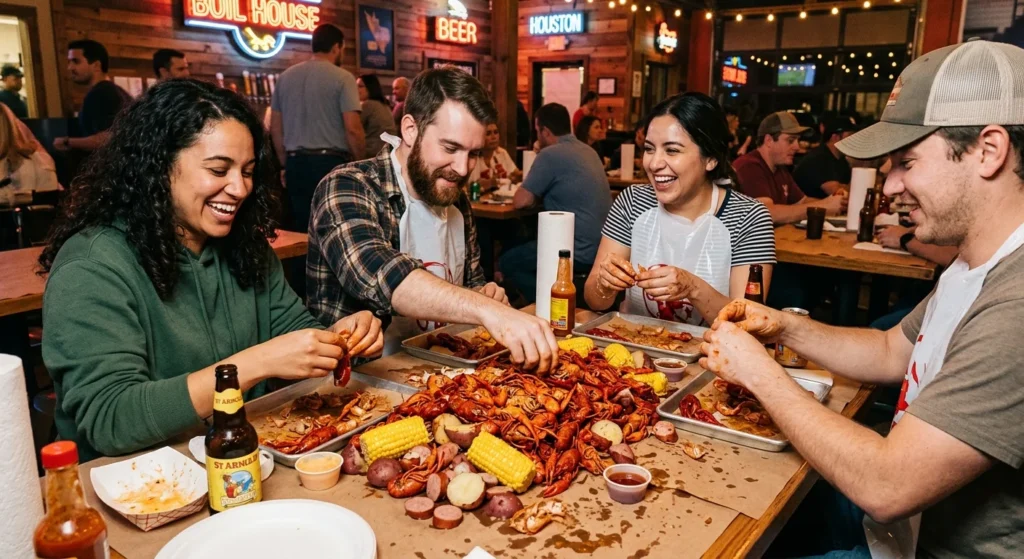
Food is reason enough to visit. Houston’s Vietnamese community is widely credited with developing Viet-Cajun crawfish, boiled in garlic butter and spices, and the season runs from roughly late winter into early summer.
For Tex-Mex, Original Ninfa’s on Navigation is the restaurant credited with popularizing fajitas in Houston. Barbecue fans can try Truth BBQ or Killen’s Barbecue in Pearland for brisket. Start a morning with a kolache, the Czech-Texan pastry sold at bakeries across the city.
Bellaire Boulevard in southwest Houston forms a large Chinatown packed with pho, dim sum, and Sichuan restaurants. Downtown food halls such as Understory and Bravery Chef Hall let a group each order something different.
Montrose and the Heights
Montrose is the arts and nightlife neighborhood, with independent shops, bars, and murals. The Heights has historic bungalows, antique stores, and a hike-and-bike trail. Both are best on foot, so park once and walk.
Offbeat Stops Most Lists Skip
Beer Can House and the Orange Show
The Beer Can House is a home in the Memorial Park-adjacent area decorated with flattened beer cans, garlands, and tabs by its original owner, and it is open for tours on set days. The Orange Show Monument in the East End is a folk-art maze of tile, wheels, and walkways built by a single postal worker over decades.
Both take under an hour and give you a side of Houston that big attractions miss.
Day Trips Within an Hour of Houston
Galveston
Galveston is about 50 miles southeast, roughly an hour’s drive without traffic. The Strand Historic District has restored commercial buildings, now shops and cafes. Moody Gardens includes an aquarium and rainforest pyramid, and Pleasure Pier adds rides over the Gulf.
The Gulf water is murky from river sediment, so go for beach time, not snorkeling.
Kemah Boardwalk
Kemah Boardwalk sits on Galveston Bay, about 30 miles south of downtown. It has carnival rides and waterfront restaurants, and sunset is the best time to eat on a patio over the water.
San Jacinto Monument
The San Jacinto Monument stands 567 feet tall, taller than the Washington Monument, and marks the site of the 1836 battle that decided Texas independence. The observation deck gives wide views over the Houston Ship Channel, and a history museum sits at its base.
Things to Do in Houston With Kids
Families have plenty of options without leaving the main clusters. Children’s Museum Houston in the Museum District is built around hands-on play, and the zoo and Butterfly Center fill a day in Hermann Park. At Space Center Houston, the Kids Space Place gives younger children room to climb and build.
Kemah’s rides and Galveston’s beach suit a break from museums. Mix one structured stop with one free-roaming stop each day, since a second museum in a row is where most kids give out. Strollers fit most venues, but shade is rare outdoors, so pack snacks and plan an indoor break at midday.
How to Plan Your Houston Trip
1. Best Time to Visit
March through May and October through November bring the most comfortable weather. Summer highs often reach the 90s with heavy humidity, so schedule outdoor stops for the morning and use museums as afternoon breaks. Hurricane season runs June through November, so check forecasts and cancellation terms for summer and fall trips.
2. Getting Around
Houston is built around cars, and attractions sit far apart. METRORail’s Red Line links downtown, the Museum District, Hermann Park, and NRG Park, which covers a good share of the tourist map. For Space Center Houston, Galveston, and Kemah, rent a car or book a rideshare.
Downtown also has an air-conditioned pedestrian tunnel system that connects many buildings, mostly open during weekday business hours. It is a useful heat escape if your stops are close together.
3. Free and Budget-Friendly Picks
Several of the best stops cost nothing: the Menil Collection, Rothko Chapel, Discovery Green, the Waugh Drive bats, and performances at Miller Outdoor Theatre. The Contemporary Arts Museum Houston has also offered free admission. A full day of free activities is realistic here.
4. Rainy-Day and Heat Backup Plan
Houston storms can arrive fast, and July afternoons can be punishing. Keep an indoor list ready: the Museum of Natural Science, the MFAH, Space Center Houston’s indoor exhibits, and a long lunch in Chinatown. Many of these sit near each other, so you can switch plans without losing the day.
5. Common Planning Mistakes
The most common mistake is underestimating distance. Space Center Houston is about 25 miles from downtown, and rush hour can double the drive, so avoid weekday travel between 4 and 6 p.m.
The second is stacking too many outdoor stops in summer. The third is skipping reservations for the Space Center tram tour and the Cistern. Parking near some Museum District venues is limited, so walking between neighboring museums beats re-parking.
6. A Simple Three-Day Route
Day one: Menil Collection and Rothko Chapel in the morning, Hermann Park and the Natural Science Museum after lunch, dinner in Montrose.
Day two: Space Center Houston from opening time, then Kemah Boardwalk for dinner at sunset.
Day three: Buffalo Bayou Park and the Cistern in the morning, downtown lunch, then the bats at dusk or an Astros game.