
Things to Do in Sydney Australia: A Practical Guide by Area
The best things to do in Sydney, Australia are seeing the Opera House and Harbour Bridge up close, riding a ferry to Manly, walking the Bondi to Coogee coastal path, and spending a day in the Blue Mountains. Nearly everything sits around the harbour or along the coast, so grouping your days by area saves more time than any other planning trick.
This guide is built that way. Each section covers one part of the city, what is worth your time there, and what you can skip if you are short on days.
Circular Quay, The Rocks, and the Harbour Icons
Circular Quay is the natural starting point because ferries, trains, and buses all meet there. Within a 15-minute walk, you can reach the Opera House, the Harbour Bridge, the Royal Botanic Garden, and the oldest streets in the country. Begin here on day one and the rest of the city makes sense faster.
1. Sydney Opera House
The Sydney Opera House opened in 1973 and became a UNESCO World Heritage Site in 2007. Walking around the outside costs nothing, and the best views of the sails come from the Botanic Garden side and from Mrs Macquarie’s Chair.
If you want to go inside, choose between a guided tour and a performance. A tour explains how the shells were engineered, which is the real story of the building. A show gives you the acoustics and the harbour at night, so pick whichever suits how you like to travel.
2. Sydney Harbour Bridge
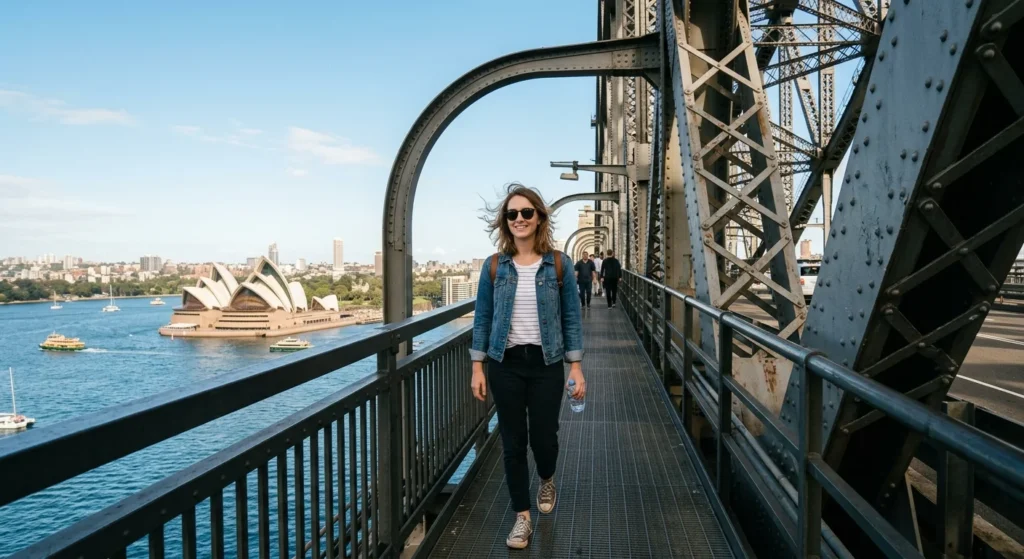
The bridge opened in 1932, and you can experience it at three levels of effort. Walking across the pedestrian path is free. The Pylon Lookout at the southeast pylon takes about 200 steps and rewards you with a view over the Opera House, with no harness and no group.
BridgeClimb takes you over the top arch on a guided climb and is the most expensive option. Book it ahead and check the forecast for your date, because wind and lightning can change the schedule.
3. The Rocks and the Museum of Contemporary Art
The Rocks sits where the First Fleet settled in 1788, and it still has narrow lanes, sandstone pubs, and weekend markets. It gets crowded in the middle of the day, so go early if you want the lanes to yourself.
The Museum of Contemporary Art sits right on the waterfront and offers free general admission. It makes a good 90-minute stop between the bridge and the ferry wharves.
Best Ways to Explore Sydney Harbour by Ferry
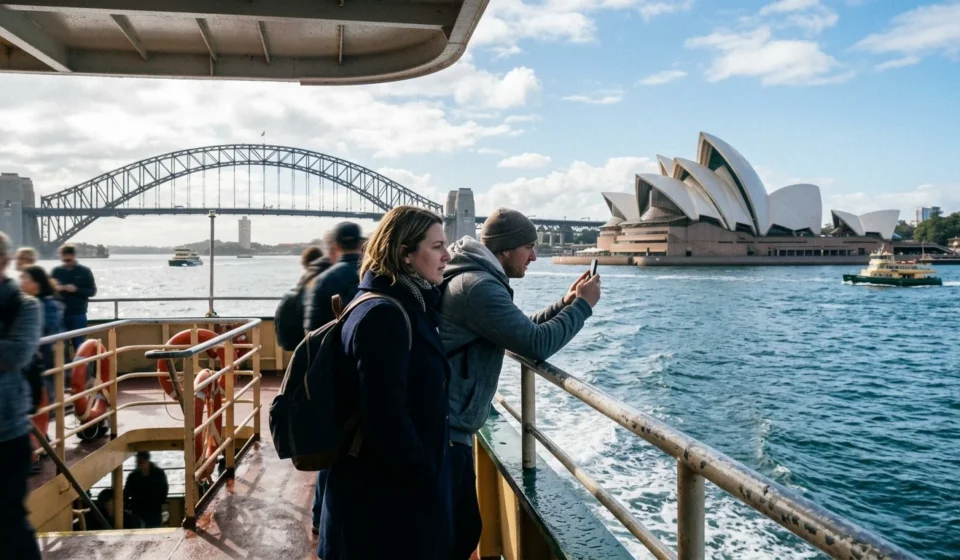
Public ferries are the cheapest harbour cruise in the city, and they run on the same Opal card as trains and buses. Sit on the outer deck when leaving Circular Quay, since the Opera House and Bridge views are best in the first few minutes.
1. Manly
The Manly ferry takes about 30 minutes and lands you beside the beach. From the wharf, the pedestrian Corso runs straight to the ocean, lined with cafes and surf shops.
If you have a morning to spare, the Manly to Spit Bridge walk is roughly 10 km through bushland and small harbour beaches. Allow three to four hours, carry water, and plan to catch a bus back from the Spit.
2. Taronga Zoo
Ferries to Taronga Zoo take about 12 minutes from Circular Quay, and the zoo climbs a hillside with harbour views from many enclosures. It is a solid pick for koalas, kangaroos, and other Australian animals in one visit. Arrive at opening time, because the walk uphill is easier before the heat builds.
3. Watsons Bay and The Gap
Watsons Bay is a ferry ride from the Quay and feels like a small seaside village. The Gap is a cliff-top park facing the Tasman Sea, and the short walk to Hornby Lighthouse adds views back toward the city.
Finish with fish and chips at the waterfront. Doyles, a family seafood restaurant with roots in the 1880s, is the best-known choice, but the picnic tables on the grass work just as well.
4. Cockatoo Island
Cockatoo Island was a convict site, and later a shipyard, and it is part of the Australian Convict Sites World Heritage listing added in 2010. You can explore old tunnels and workshops, and some visitors camp overnight. It is a good half-day for anyone who prefers history to beaches.
Beaches and Coastal Walks
Sydney’s ocean beaches are the reason many people plan this trip in the first place. Swim between the red and yellow flags, because surf lifesavers patrol that zone and rips form outside it.
Bondi to Coogee Coastal Walk
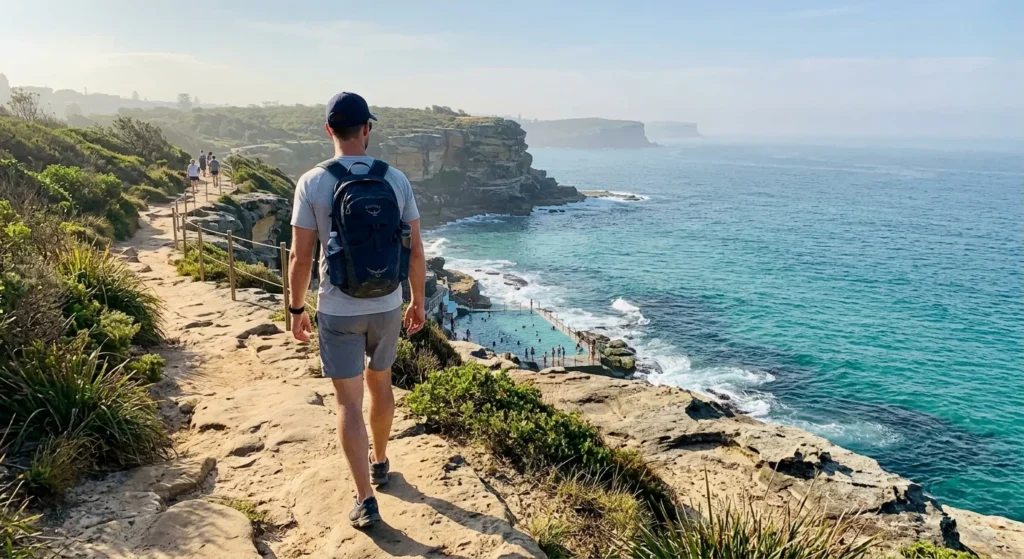
The Bondi to Coogee path runs about 6 km and takes two to three hours at a relaxed pace. It passes Tamarama, Bronte, Clovelly, and Gordons Bay, with sandstone cliffs and ocean pools along the way. Bondi Icebergs, at the northern end, is the pool you have probably seen in photos.
Start at Bondi and finish at Coogee, since you can catch a bus back from there and the wind is often kinder at your back. Go before 9 am in summer, wear a hat, and bring a swimsuit because you will want at least one stop for a dip.
Each spring, the path also hosts Sculptures by the Sea, an outdoor art exhibition that usually runs in October and November. Check the current dates before you build a trip around it.
Other Beaches Worth the Trip
Shelly Beach, tucked behind Manly, is a calm cove that suits snorkelling on quiet days. Cronulla in the south is reachable by train, which makes it easy without a car.
Palm Beach in the far north takes more time to reach, roughly an hour or more by road or bus, depending on traffic. The walk up to Barrenjoey Lighthouse there gives you a view over both the ocean and Pittwater.
Museums, Markets, and Food Worth Planning Around
The Art Gallery of New South Wales sits in the Domain and expanded with the Sydney Modern building in December 2022. General admission to the permanent collection is free, which makes it a low-risk stop on a day when the weather turns.
The Australian Museum on College Street was founded in 1827 and is the country’s oldest museum. It suits anyone interested in natural history and Indigenous cultures. The Queen Victoria Building, opened in 1898, is worth ten minutes for the architecture even if you do not plan to shop.
For food, the Sydney Fish Market in Pyrmont is a working seafood hub where you can eat oysters and grilled fish at outdoor tables. The market has been moving to a new building at Blackwattle Bay, so check its current location and opening status before you go.
Haymarket has Chinatown and Paddy’s Markets, which are useful for cheap meals and souvenirs. Newtown is the pick for street art and casual dinners, and Surry Hills is where many locals go for coffee.
Blue Mountains
The Greater Blue Mountains Area was listed as a UNESCO World Heritage Site in 2000. Katoomba is the main hub, reached in roughly two hours by train from Central Station. Echo Point gives you the classic view of the Three Sisters rock formation.
Beyond the lookout, walk part of the Prince Henry Cliff Walk or head to Wentworth Falls for a longer trail. Scenic World in Katoomba adds cable cars and a railway if you prefer less walking. Check the weather first, because fog can hide the valley entirely.
Royal National Park
Royal National Park, south of the city, was established in 1879. It has swimming spots like Wattamolla and the 26 km Coast Track running from Bundeena to Otford. You can reach Bundeena by a short ferry from Cronulla.
Some rock pools in the park, including the Figure Eight Pools, need careful tide timing and can be dangerous in big swell. Read current park advice before heading out.
Hunter Valley
The Hunter Valley is Australia’s oldest wine region and sits roughly two and a half hours north by car. It suits travelers who want cellar doors and long lunches. Nominate a designated driver or book a tour, since distances between wineries add up.
Free Things to Do in Sydney
You can fill several days here without paying for entry. These are the strongest free options:
- Walking across the Harbour Bridge on the pedestrian path
- Exploring the Royal Botanic Garden and Mrs Macquarie’s Chair
- Bondi to Coogee coastal walk and any of the ocean beaches
- The Museum of Contemporary Art and the Art Gallery of New South Wales
- Barangaroo Reserve, a headland park built on former dockland
- The Rocks and its weekend markets
Ferry rides and museum entry are separate costs, but the Opal card has daily and weekend caps, so check the current amounts before you budget.
What to Do When It Rains
Sydney has plenty of wet days, and the city adapts well. Head indoors to the Art Gallery of New South Wales, the Australian Museum, or the Queen Victoria Building. The Powerhouse Museum in Ultimo is another solid pick for families.
A rainy afternoon also suits a long lunch in Surry Hills or a session at one of the covered markets in Haymarket. If the rain clears by late afternoon, a ferry ride can still deliver sharp views, since the air is often cleaner after a storm.
Best Time to Visit and Seasonal Events
Seasons are reversed from the northern hemisphere. Summer runs from December to February and suits beaches, while spring and autumn bring milder weather that makes coastal walks more comfortable.
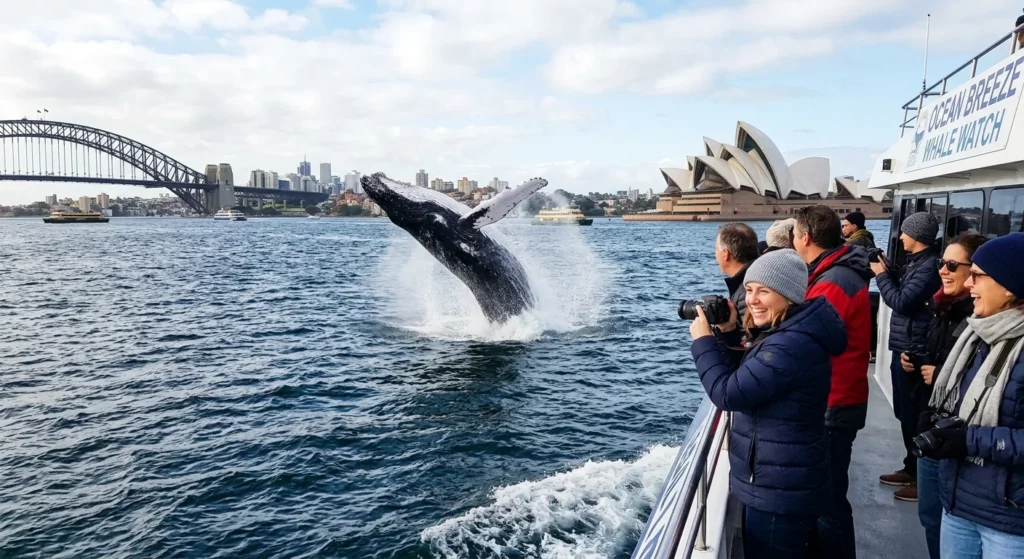
Winter is cooler but rarely cold, and it coincides with humpback whale migration, which peaks from roughly June to November. Whale-watching cruises leave from Darling Harbour and Circular Quay.
Vivid Sydney, a festival of light installations and music, usually runs from late May into June. New Year’s Eve fireworks over the harbour are famous, but the best viewing spots fill up early. Confirm the current dates of any event before you book flights.
Getting Around and a Three-Day Plan
Public transport covers almost every place in this guide. Tap on and off with an Opal card or a contactless bank card on trains, buses, ferries, and light rail. Skip the car in the city center, because parking is expensive and the ferries are often faster.
A simple three-day sequence looks like this:
- Day 1: Circular Quay, Opera House tour, Harbour Bridge Pylon Lookout, The Rocks, and dinner at Barangaroo.
- Day 2: Morning ferry to Manly, beach time, and the Shelly Beach cove, then a return ferry at sunset.
- Day 3: Bondi to Coogee walk in the early morning, an afternoon at the Art Gallery of New South Wales, and dinner in Surry Hills.
With a fourth day, swap in the Blue Mountains, and with a fifth, add Royal National Park or the Hunter Valley. Pick one anchor activity per day and let the rest fill the gaps, because the city rewards a loose schedule more than a packed one.