What to Do in San Francisco: Top Spots & Tips
San Francisco rewards visitors who mix the postcard landmarks with a few neighborhood detours. The city is compact enough to cover most of its highlights in three or four days, and the fog, the hills, and the bay all shape how you should plan your route.
Start at the Golden Gate Bridge
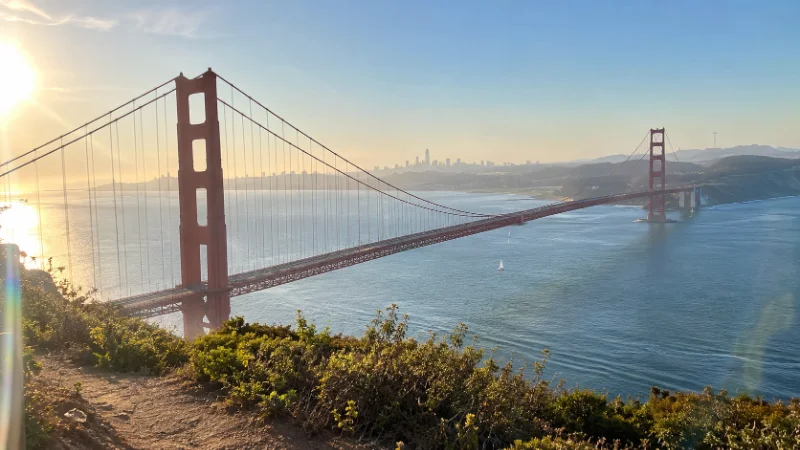
Most visitors photograph the bridge from Crissy Field or the parking area near the toll plaza, but the better view is from the Marin side. Battery Spencer, a short drive across the bridge, puts the entire span and the city skyline in one frame without the crowds.
If you have time, walk partway across the bridge itself. The sidewalk gets windy, and the fog can roll in fast, so bring a jacket even in July. Renting a bike in Sausalito and riding back across the bridge to the city is a popular half-day option, and most rental shops will let you drop the bike off on the San Francisco side.
Ride a Cable Car Through the Hills
The Powell-Hyde line is the one worth the wait. It climbs Nob Hill, passes Lombard Street, and ends near Fisherman’s Wharf, giving you a working sense of how steep the city actually is. Buy a single-ride ticket at the machine near the turnaround instead of standing in the ticket booth line, which moves slower.
Cable cars run until around 10 p.m. most nights, and riding one after dinner when the lines have thinned out is often a better experience than doing it midday. Hold the pole. The stops are abrupt, and the seats fill fast once the car starts moving.
Explore Alcatraz Island
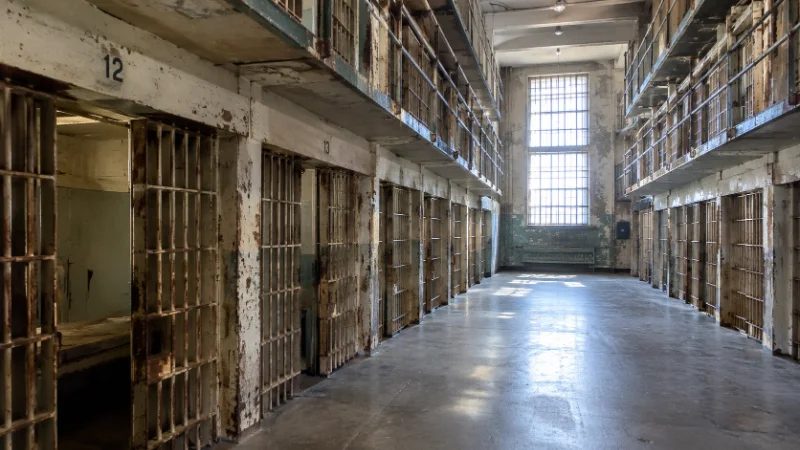
Alcatraz sells out days or weeks ahead during peak season, so book directly through the official ferry operator as soon as your dates are set. The audio tour, narrated in part by former guards and inmates, is the reason most people come away impressed. It runs about 45 minutes and covers the cellblock, the dining hall, and the escape attempts the prison is known for.
Bring a layer for the boat ride. The bay water is cold year round, and the wind picks up noticeably once the ferry clears the harbor. Give yourself at least two and a half hours on the island if you want to see the gardens and the exhibits on the west side, not just the main cellhouse.
Walk Through Chinatown and North Beach
San Francisco’s Chinatown is the oldest in the country, and Grant Avenue and Stockton Street show two different sides of it. Grant Avenue has the lantern-lined storefronts most photos show. Stockton Street, one block over, is where residents actually shop for produce and fish, and it gives a more honest picture of the neighborhood.
Keep walking north, and you land in North Beach, San Francisco’s Italian district. City Lights Bookstore, still independently run, is worth a stop even if you are not buying anything. Grab a coffee at one of the cafes on Columbus Avenue and sit outside if the weather allows it. The two neighborhoods blend into each other within about ten minutes of walking.
Spend an Afternoon in Golden Gate Park
Golden Gate Park is larger than Central Park in New York, and most visitors only see a fraction of it. The Japanese Tea Garden and the California Academy of Sciences sit close together near the park’s eastern half, so pairing them makes sense if you are short on time.
The Botanical Garden, tucked further inside the park, charges a small entry fee for non-residents but is rarely crowded even on weekends. If you visit on a Sunday, JFK Drive closes to car traffic, turning a long stretch of the park into a walking and biking corridor. Renting a bike near the park entrance and riding out to the bison paddock on the western end is an easy way to see more ground.
Check Out the Mission District’s Murals and Food Scene
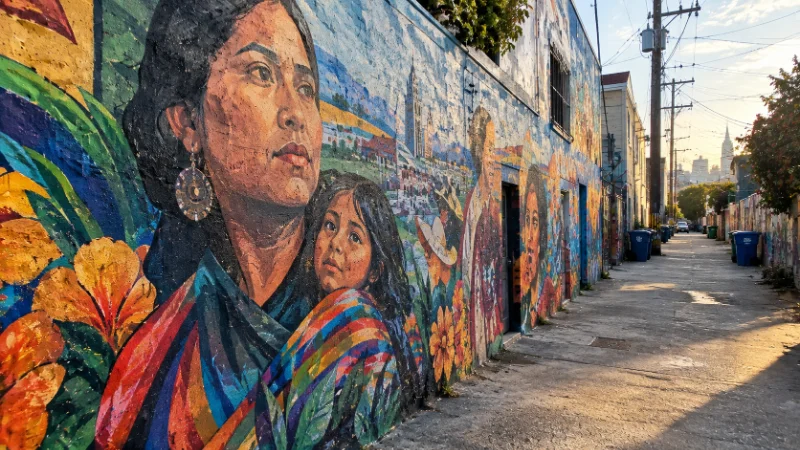
Balmy Alley and Clarion Alley hold some of the city’s most striking murals, many painted decades ago and still maintained by local artists. Walking both alleys takes maybe thirty minutes, and they sit close enough to each other to cover on foot without backtracking much.
The Mission is also where a lot of the city’s best taquerias operate, and locals tend to argue over which one makes the better burrito. Valencia Street has a denser stretch of restaurants and coffee shops if you want to sit down for a longer meal. Weekday afternoons are noticeably quieter than weekend evenings, when lines form outside the more popular spots.
Wander Haight-Ashbury for Its Music History
Haight-Ashbury still trades on its 1967 Summer of Love reputation, and the intersection of Haight and Ashbury streets remains a common photo stop. The Grateful Dead’s former house on Ashbury Street still stands, though it is a private residence now and should be viewed from the sidewalk.
Beyond the history, the neighborhood has a solid run of independent record shops and vintage clothing stores along Haight Street. It connects directly to Golden Gate Park on its western end, which makes it easy to fold into the same afternoon as the park visit.
Take a Day Trip to Muir Woods or Sausalito
Muir Woods, about 40 minutes north of the city, requires a reserved parking spot or shuttle ticket well in advance, since the park caps daily visitors. Walking among the old-growth redwoods there gives a sharp contrast to the city you just left. The main loop trail is flat and takes under an hour, though longer trails branch off for people who want more distance.
Sausalito, on the way back, makes a good stop for lunch by the water. The ferry from San Francisco’s Ferry Building runs directly there and skips the bridge traffic entirely. Ordering fish and chips at one of the waterfront spots and watching the boats in the marina is a relaxed way to close out a day that started at Muir Woods.
Practical Tips for Visiting San Francisco
Layer your clothing regardless of the season. The temperature can shift ten degrees between a sunny street and a foggy one just a few blocks away. Public transit, particularly BART and the Muni Metro, covers most tourist areas well enough that renting a car is not necessary unless you plan day trips outside the city.
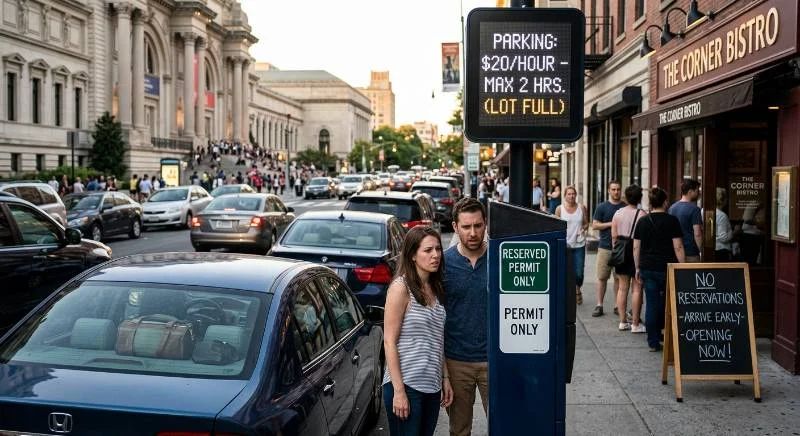
Parking is expensive and often scarce near major attractions, so factor that into any plan that involves driving. Many restaurants in the neighborhoods above do not take reservations, so arriving right when they open avoids the longest waits.